How to avoid crowds Angkor Wat: Peaceful visit tips.
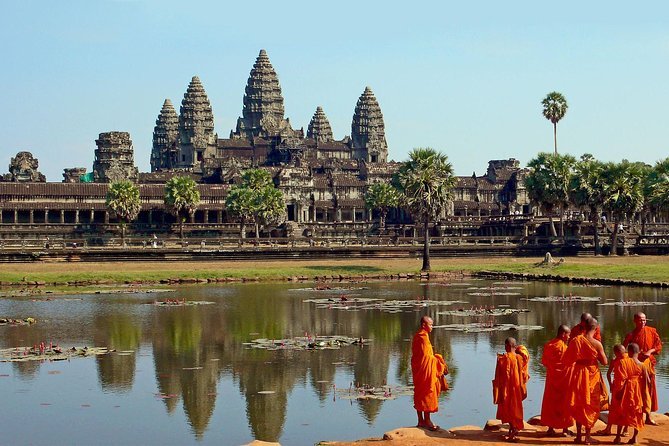
Angkor Wat, a UNESCO World Heritage site and the crown jewel of Cambodia, stands as a breathtaking testament to ancient Khmer architecture and spiritual devotion. This sprawling temple complex, first built in the 12th century by King Suryavarman II as a Hindu temple dedicated to Vishnu and later transitioning to a Buddhist site, is the largest religious monument in the world. [3, 4, 7] Its intricate carvings, majestic towers, and serene moats draw millions of visitors annually, making it a truly unforgettable destination. However, the sheer popularity of Angkor Wat often means navigating throngs of tourists, especially at iconic spots during peak times. If you’re wondering how to avoid crowds at Angkor Wat and experience its grandeur in relative peace, this insider guide is for you.

Despite its immense appeal, recent data shows that while Angkor Archaeological Park welcomed 1,023,688 foreign tourists in 2024 — an increase of over 28% compared to 2023’s 798,069 visitors — these numbers still represent a 60.5% decline from the pre-pandemic visitor levels of 2018. This suggests a unique opportunity for those seeking a less crowded experience, as visitor numbers are still recovering, though growing steadily. With some strategic planning, you can significantly reduce your encounters with large tour groups and fully immerse yourself in the awe-inspiring atmosphere of these ancient ruins.
What is the Best Time of Year to Visit Angkor Wat to Avoid Crowds?
Choosing the right time of year is perhaps the most crucial tip for those seeking to avoid crowds at Angkor Wat. The peak tourist season for Angkor Wat typically runs from November to March. During these months, the weather is cooler and drier, making it more comfortable for exploring. However, this comfort comes at a price: long lines, packed pathways, and crowded temples become the norm. Angkor Wat is truly a year-round destination, but knowing the seasonal nuances can significantly impact your experience.
Embracing the Off-Peak Season
To experience Angkor Wat off-peak season and enjoy a more tranquil visit, consider traveling during Cambodia’s wet season, which generally spans from May to October. While the idea of rain might deter some, this period offers several advantages:
- Fewer Crowds: Significantly lower visitor numbers mean more space to explore and appreciate the temples.
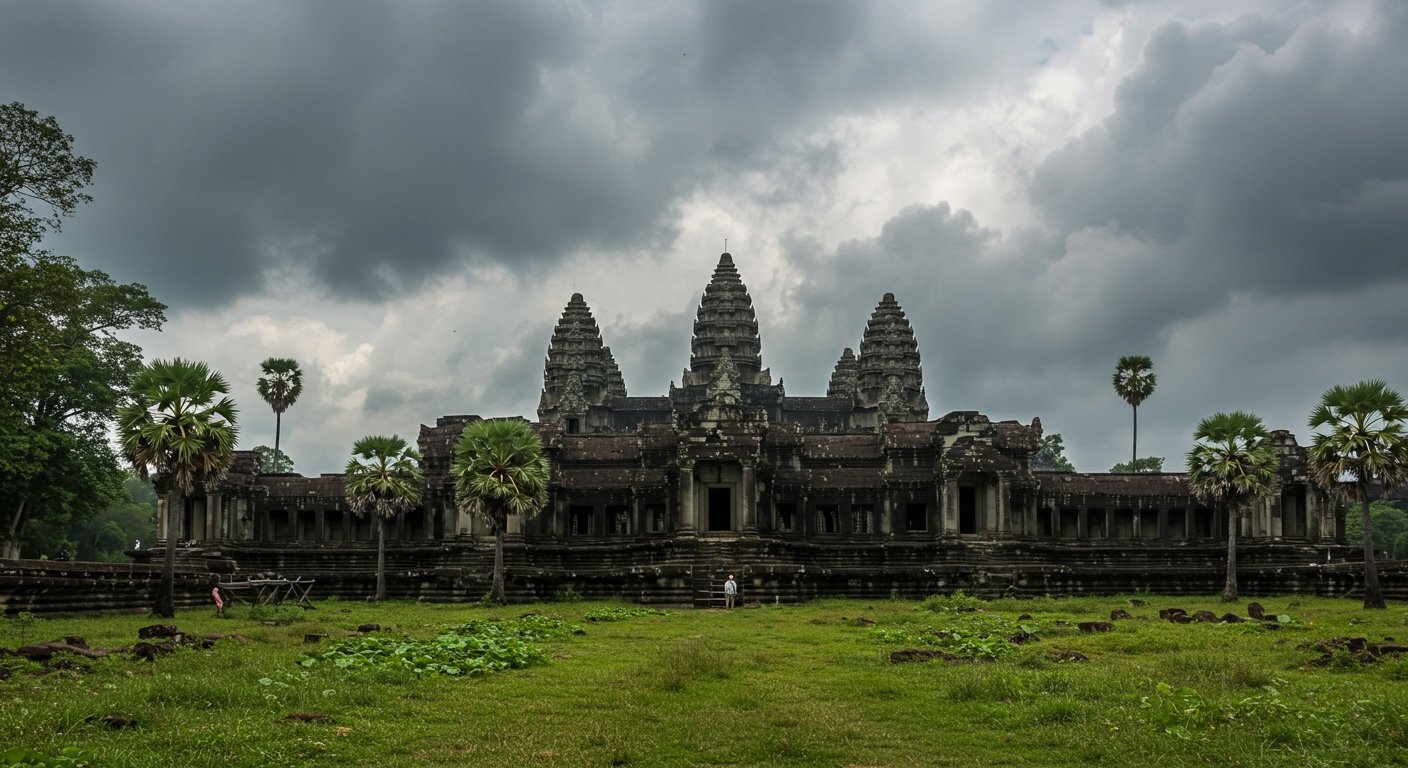
- Lush Landscapes: The rainfall transforms the surrounding jungle into a vibrant, lush green, offering stunning photographic opportunities.
- Dramatic Skies: Cloudy skies can provide a beautiful backdrop for temple photography, and brief showers often give way to clear, dramatic light.
- Cooler Temperatures: While humid, temperatures can sometimes feel less oppressive than the dry season’s scorching heat.
Even with the increase in visitors in 2024, an off-season Angkor Wat visit still promises a more serene encounter with history.
How to Avoid Crowds at Angkor Wat During Sunrise and Sunset
Watching the sunrise over Angkor Wat’s iconic towers is a bucket-list experience for many. However, this magical moment is also the most crowded time, with over 500 people often gathering at the reflection pools between 5:00 AM and 7:30 AM, accounting for 58% of daily visitors. This makes securing a prime spot for Angkor Wat sunrise without crowds a considerable challenge.
For a quieter sunrise experience:
1. Skip Angkor Wat’s main reflection pond: Instead, head to lesser-known spots like the right-hand pond (facing the temple), which is often less crowded, or explore other temples for sunrise.
2. Consider alternative temples: Srei Temple, with its unique pink sandstone, or Pre Rup, a pyramid-shaped temple offering panoramic views, can provide stunning sunrise experiences with far fewer people. These offer excellent sunrise Angkor Wat alternatives.
3. Arrive strategically: Even if you choose the main site, arrive earlier than others (around 4:30 AM) to claim a spot, or arrive slightly later (after 6:30 AM) once the initial rush disperses.
For sunset, the western entrance of Angkor Wat can also become very busy. Instead, consider Bayon or Phnom Bakheng, though Phnom Bakheng is a popular sunset spot and also gets crowded. Look for the least crowded temples in Angkor for sunset, or opt for a less central viewpoint.
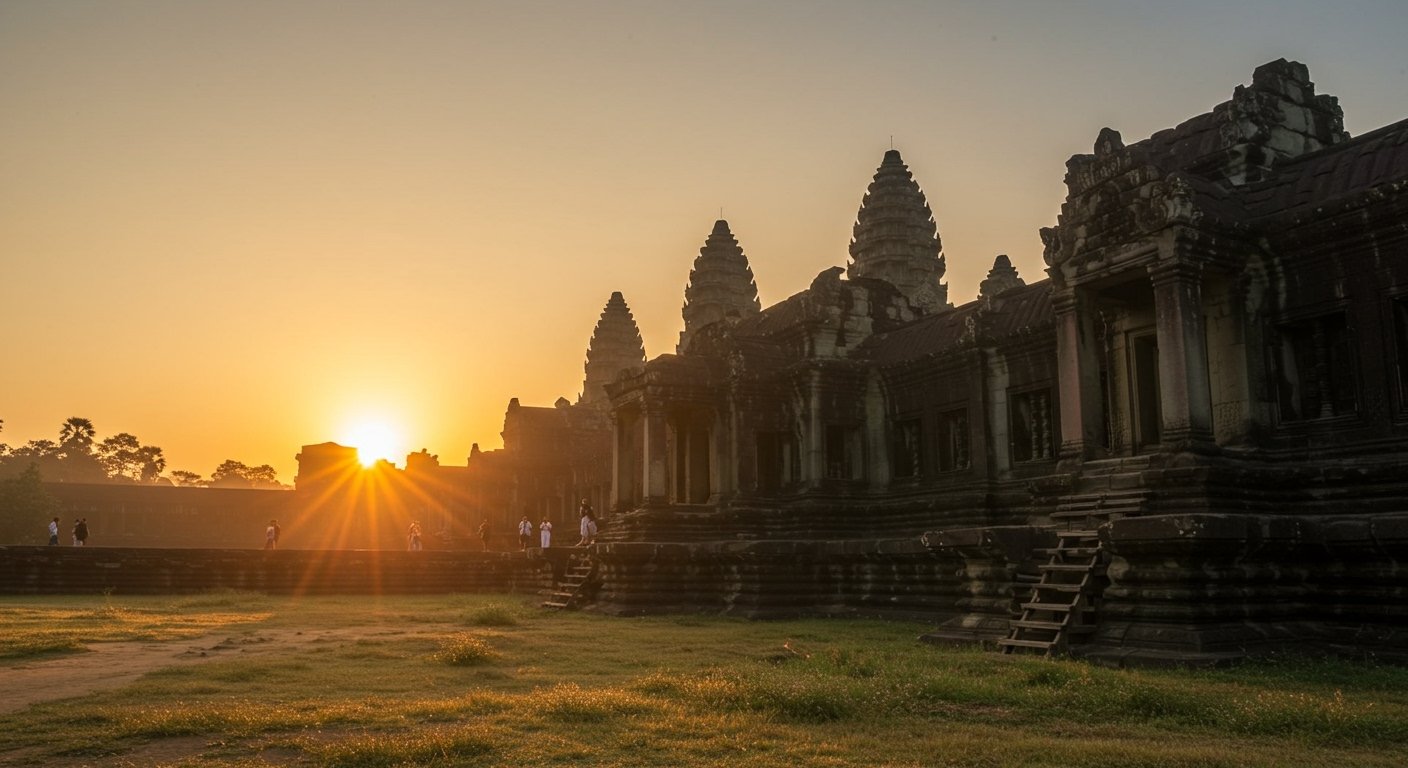
Strategic Timing for a Quieter Experience: Best Time of Day Angkor Wat
Beyond sunrise, the time of day you visit can drastically alter your crowd experience. The late afternoon offers a remarkable opportunity for Angkor Wat less busy times. Only 27% of daily visitors attend in the afternoon (2:00 PM – 6:00 PM), making visits, particularly between 3:00 PM and 5:30 PM, significantly less crowded. Consider visiting the main Angkor Wat temple in the late afternoon after most tour groups have departed for other sites or returned to Siem Reap.
Similarly, starting your day early – immediately after sunrise – and visiting popular temples first, then returning for a break during the midday heat, can also help you beat the crowds. Many tour groups start later, so by 7:30 AM or 8:00 AM, the initial sunrise crowd at Angkor Wat has thinned, and the subsequent wave of visitors hasn’t fully arrived.
Lesser-Known Temples to Visit to Avoid Crowds
While Angkor Wat, Bayon, and Ta Prohm are undeniably magnificent, the Angkor Archaeological Park is vast, housing hundreds of temples within its 400-square-kilometer expanse. [5, 9] To find the quietest temples Angkor complex has to offer, venture beyond the main circuit. These Angkor Wat hidden temples provide a chance for more intimate exploration and are key tips for visiting Angkor Wat quietly.
- Banteay Srei: Known as the “Citadel of Women,” this small, intricately carved pink sandstone temple is a bit further out but well worth the journey for its exquisite detail and typically fewer crowds, especially early in the morning or late in the afternoon. For a comprehensive plan, check out our guide on how to plan your perfect Angkor Wat itinerary.
- Preah Khan: A large, sprawling monastic complex with many crumbling corridors and atmospheric nooks, Preah Khan offers a sense of discovery.
- Ta Nei: Tucked away down a dirt road, this smaller temple is often overlooked by large tour buses, making it an ideal spot for solitude.
- East Mebon: This brick temple, adorned with elephant sculptures, sits in what was once the center of a large reservoir and provides impressive views.
- Kbal Spean: While not a temple in the traditional sense, this site features riverbed carvings (of lingas and other Hindu deities) in a jungle setting, offering a refreshing and less crowded alternative for a half-day trip.
By incorporating these least crowded temples in Angkor into your itinerary, you can distribute your time more effectively and avoid peak congestion.
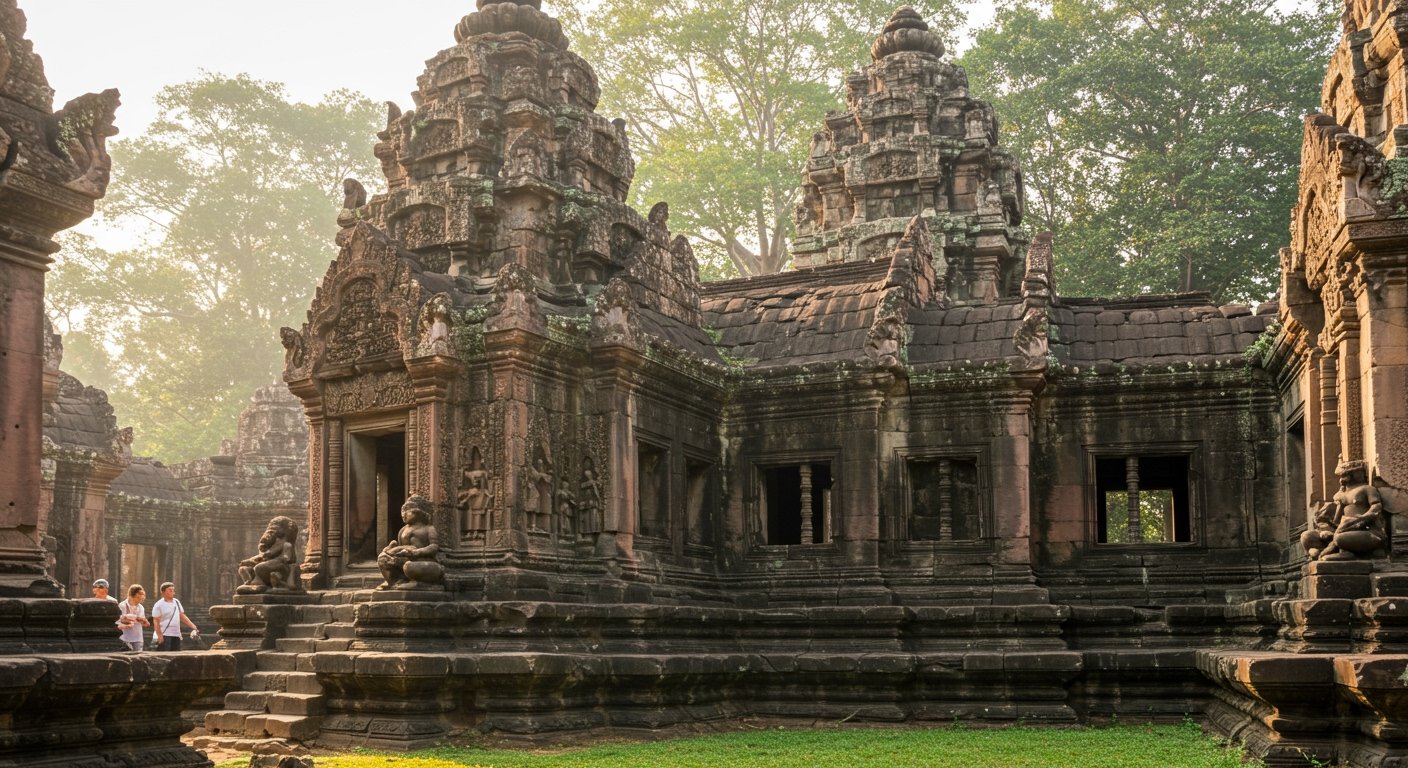
Crafting Your Angkor Wat Itinerary to Avoid Crowds
A well-thought-out Angkor Wat itinerary to avoid crowds is your secret weapon. Instead of following the standard “Grand Tour” or “Small Tour” routes precisely, mix and match your temple visits to counter the flow of traffic.
How Many Days Should I Spend at Angkor Wat?
To truly appreciate the Angkor complex without rushing, and to implement crowd-avoidance strategies, we recommend a minimum of three days. This allows you to purchase a 3-day pass and spread out your visits, tackling the main temples at less crowded times and dedicating full days to explore the quieter, more distant sites. A one-day pass offers only a fleeting glimpse, making it harder to avoid crowds effectively.
Avoiding Angkor Wat Tour Groups
Large group tours often move together, creating bottlenecks at popular sites. To minimize interactions:
- Go independent: Hire a tuk-tuk driver for the day (or multiple days) who can take you to your chosen temples at your preferred times. They are usually flexible and can suggest less-trafficked routes.
- Rent a bicycle: For the adventurous, cycling allows complete freedom to explore at your own pace and deviate from the main paths.
- Start early or late: As mentioned, adjusting your start and end times can help you miss the bulk of the crowds. When is Angkor Wat least busy? Generally, very early morning (after the initial sunrise rush) and late afternoon.
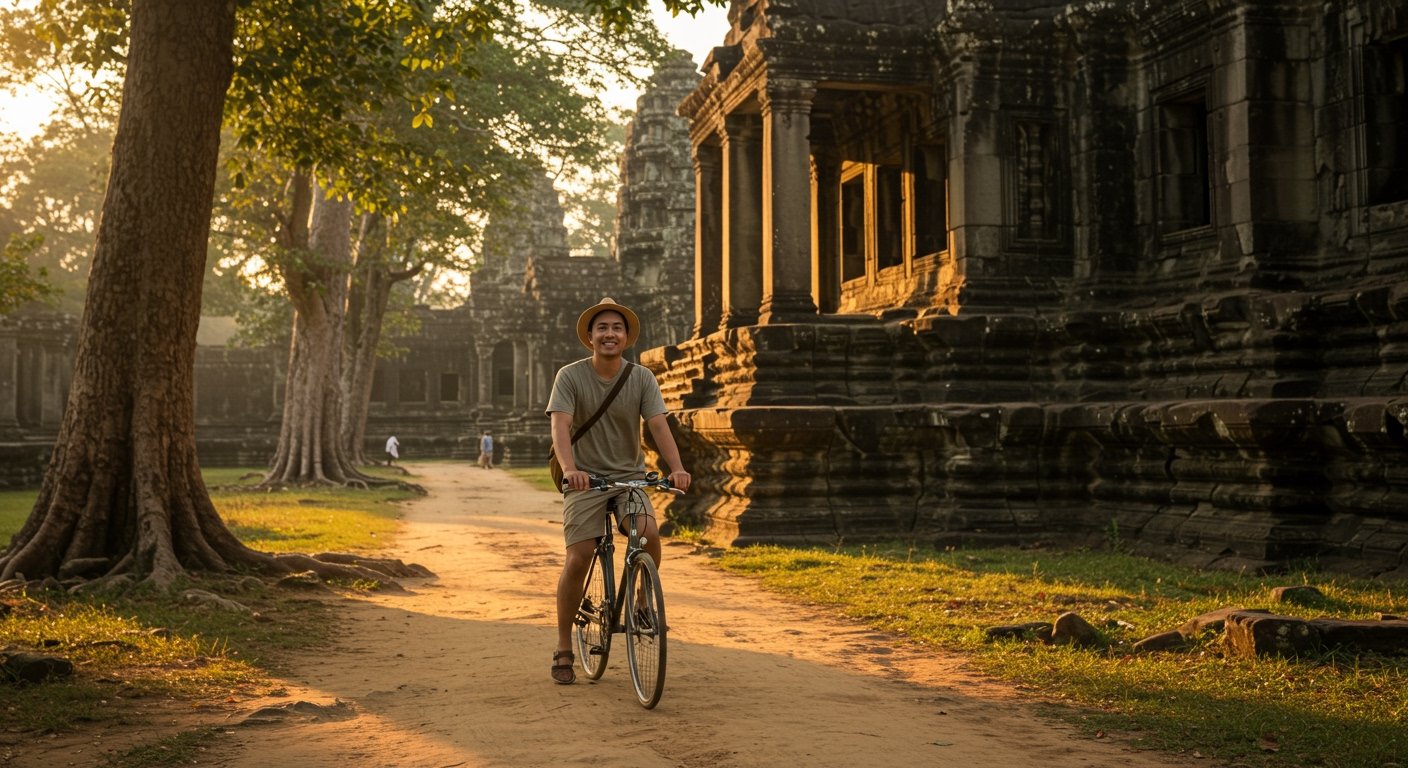
Is it Better to Hire a Guide or Explore Independently to Avoid Crowds?
This depends on your travel style and budget. Both options have merits for Angkor Wat travel tips no crowds:
- Hiring a Private Guide: A knowledgeable private guide can be invaluable. They often know the patterns of tour groups and can steer you towards quieter sections of a temple or suggest the best times to visit specific areas. They can also enrich your experience with historical context and stories. The APSARA National Authority, the Cambodian governmental body responsible for the protection and management of Angkor Archaeological Park, oversees the site and its guides. [12, 14]
- Exploring Independently: With a good map, a reliable driver, and a flexible mindset, independent exploration offers the ultimate freedom. You can linger at places that captivate you and quickly move on from crowded spots. This approach gives you full control over your Angkor Wat itinerary and allows for spontaneous detours.
Ultimately, the best approach might be a hybrid – hire a guide for a day or two to gain insights into the major temples, then explore independently for the remaining days to discover the quietest temples Angkor complex has to offer.
More Tips for Visiting Angkor Wat Quietly
- Dress Appropriately: Remember that Angkor Wat is a sacred site. Wear respectful clothing that covers your shoulders and knees. This is a requirement for entry to certain areas like the top level of Angkor Wat itself. For everything you need to know before visiting, consult our ultimate travel guide to Angkor Wat.
- Stay Hydrated: Cambodia’s climate is hot and humid. Carry plenty of water, especially during long days of exploring.
- Book Accommodation in Siem Reap: Siem Reap is the gateway to Angkor Wat, offering a wide range of hotels and guesthouses. Staying close allows for early starts.
- Embrace the Journey: Even if you encounter some crowds, try to focus on the incredible history and beauty surrounding you. A patient and flexible attitude will enhance your experience.
By implementing these insider tips on how to avoid crowds at Angkor Wat, you can transform your visit from a hurried march through ancient ruins into a peaceful and profound exploration. Whether it’s by choosing the right season, timing your visits, or discovering hidden gems, a serene encounter with this magnificent wonder is well within your reach.