First-Time Cambodia: Avoid These Cambodia Travel Mistakes
Cambodia is a land of ancient wonders, vibrant culture, and incredibly warm people. However, for first-time visitors, navigating this captivating country can sometimes present unexpected challenges. Many travelers make common Cambodia travel mistakes that can impact their experience, from cultural misunderstandings to health mishaps and financial pitfalls. Understanding these potential missteps beforehand is crucial. Therefore, this comprehensive guide will equip you with essential knowledge, helping you avoid common Cambodia travel mistakes and ensure a more enjoyable, respectful, and safe adventure.
- To begin your journey right, here are some key Cambodia travel mistakes first-time visitors should absolutely avoid:
- Not respecting local cultural and religious etiquette.
- Neglecting essential health and safety precautions.
- Falling victim to common scams and financial confusion.
- Underestimating travel times and failing to plan adequately.
- Making critical errors when visiting the iconic Angkor Wat complex.
Avoiding Common Cambodia Travel Mistakes
#### Not Understanding Cultural Etiquette
Understanding and respecting local customs is paramount in Cambodia. The nation is deeply rooted in Buddhist traditions, which influence daily life and interactions. Disregarding these traditions can inadvertently cause offense. Many common travel mistakes in Cambodia stem from a lack of cultural awareness.
##### Dressing Respectfully for Temples
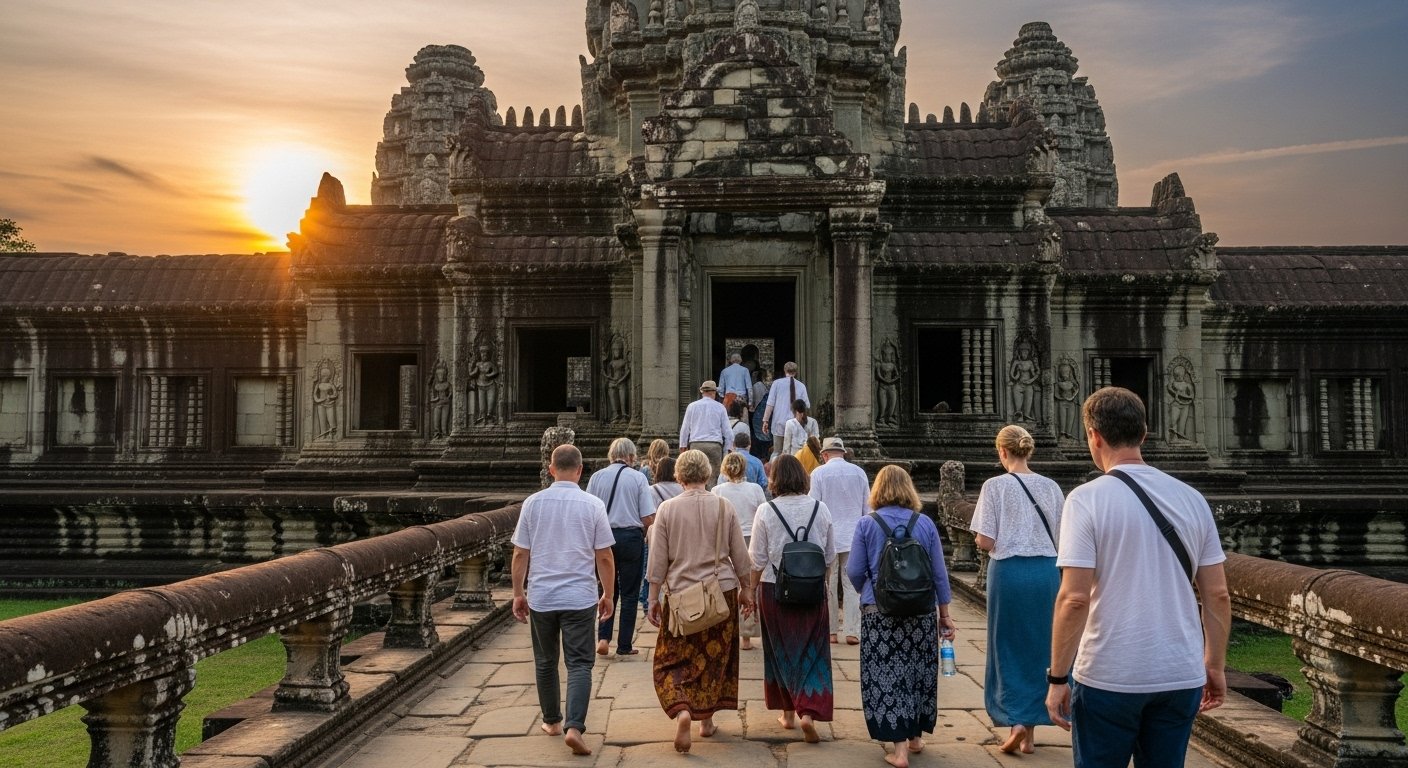
Visiting Cambodia’s stunning temples, especially the Angkor Wat complex, requires respectful attire. It is a fundamental aspect of Cambodian cultural etiquette. Both men and women must cover their shoulders and knees. This means no tank tops, short shorts, or mini-skirts. Consider loose-fitting, light cotton or linen clothing. Carrying a light scarf or shawl can be very useful for quick cover-ups when entering sacred sites. Officials at sites like Angkor Wat rigorously enforce this dress code, and you may be denied entry if your clothing is deemed inappropriate.
##### Disrespecting Local Customs (Touching Heads, Pointing Feet)
In Cambodian culture, the head is considered the most sacred part of the body, as it is closest to the heavens. Conversely, the feet are seen as the lowest and dirtiest part. Therefore, never touch someone’s head, even playfully. This applies especially to children. Also, avoid pointing your feet at people, religious objects, or images of Buddha. When sitting, try to tuck your feet beneath you or position them away from others. Public displays of affection, such as kissing or hugging, are also generally frowned upon.
##### Ignoring Monk Etiquette
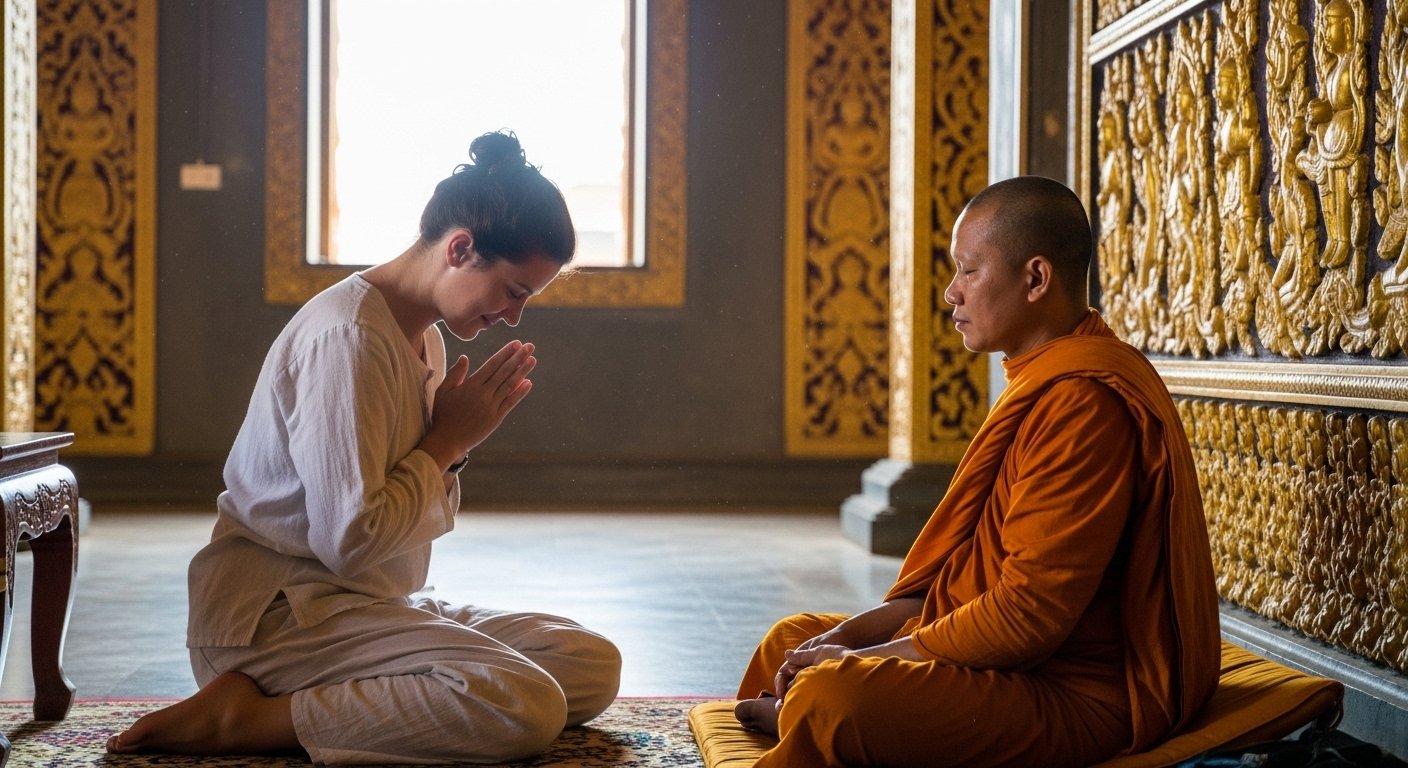
Monks hold a highly revered position in Cambodian society. When interacting with monks, there are specific etiquette guidelines to follow. For instance, women should avoid direct physical contact with monks, including shaking hands. It’s customary to offer a slight bow or *Sampeah* (palms pressed together in a prayer-like gesture) as a greeting. Always remove your hat when in the presence of a monk or entering a pagoda. Additionally, if sitting, ensure your head is lower than theirs as a sign of respect.
#### Overlooking Health and Safety Precautions
Staying healthy and safe should be a top priority for any traveler. Failing to take proper precautions is one of the most serious Cambodia travel mistakes. Is Cambodia safe for tourists? Generally yes, but awareness is key.
##### Not Getting Recommended Vaccinations
Before your trip, consult a travel doctor about recommended vaccinations. Vaccinations for Hepatitis A and B, Typhoid, Tetanus, and Japanese Encephalitis are often advised. Rabies vaccination might also be recommended, especially if you plan to spend time in rural areas. Having these preventative measures in place can significantly reduce health risks.
##### Drinking Unsafe Water & Poor Food Hygiene
Never drink tap water in Cambodia. Stick to bottled water, which is widely available. Even brushing your teeth with tap water is ill-advised. Regarding food, be adventurous but also cautious. Street food can be delicious, but ensure it’s cooked fresh and hot in front of you. Always look for busy stalls with high turnover, as this usually indicates freshness. Poor food hygiene can quickly lead to stomach issues, so choose wisely.
##### Ignoring Mosquito-Borne Disease Prevention
Mosquito-borne diseases like Dengue fever are prevalent in Cambodia. While Malaria risk varies, Dengue is a year-round threat, particularly in urban areas. Protect yourself by using insect repellent containing DEET, wearing long sleeves and pants, especially at dawn and dusk, and sleeping under a mosquito net if your accommodation doesn’t have air conditioning or screened windows. These simple steps are vital for your health.
##### Landmines and Unexploded Ordnance Threat
Cambodia is tragically one of the most heavily mined countries globally. Landmines and unexploded weapons still pose a significant threat to travelers, particularly off main routes in rural and unmarked areas. Always stick to well-worn paths, paved roads, and marked trails. Never stray into uncharted territory, and absolutely do not pick up any metal objects you might find. Heeding these warnings is crucial for your safety.
##### Alcohol Safety Concerns
Be aware that there have been deaths and cases of serious illness caused by alcoholic drinks containing methanol in Cambodia. Exercise extreme caution when consuming locally produced spirits, especially those sold cheaply or from unmarked bottles. It is safer to stick to well-known brands and reputable establishments.
#### Falling for Scams and Financial Pitfalls
While generally welcoming, some individuals may attempt to take advantage of tourists. Being aware of common scams to be aware of in Cambodia can save you stress and money.
##### ATM Skimming & Visa Scams
Be vigilant when using ATMs. Always check for any suspicious devices attached to the card reader or keypad. It’s best to use ATMs located inside banks or reputable establishments. Unfortunately, there have also been reports of individuals being lured to Cambodia by fake job advertisements and subsequently going missing or being abducted. For example, between January and August 2025, 330 South Koreans were reportedly missing or abducted after being lured to Cambodia by such scams. Always be wary of unsolicited job offers or overly generous travel deals.
##### Not Having Small Change or Negotiating Prices
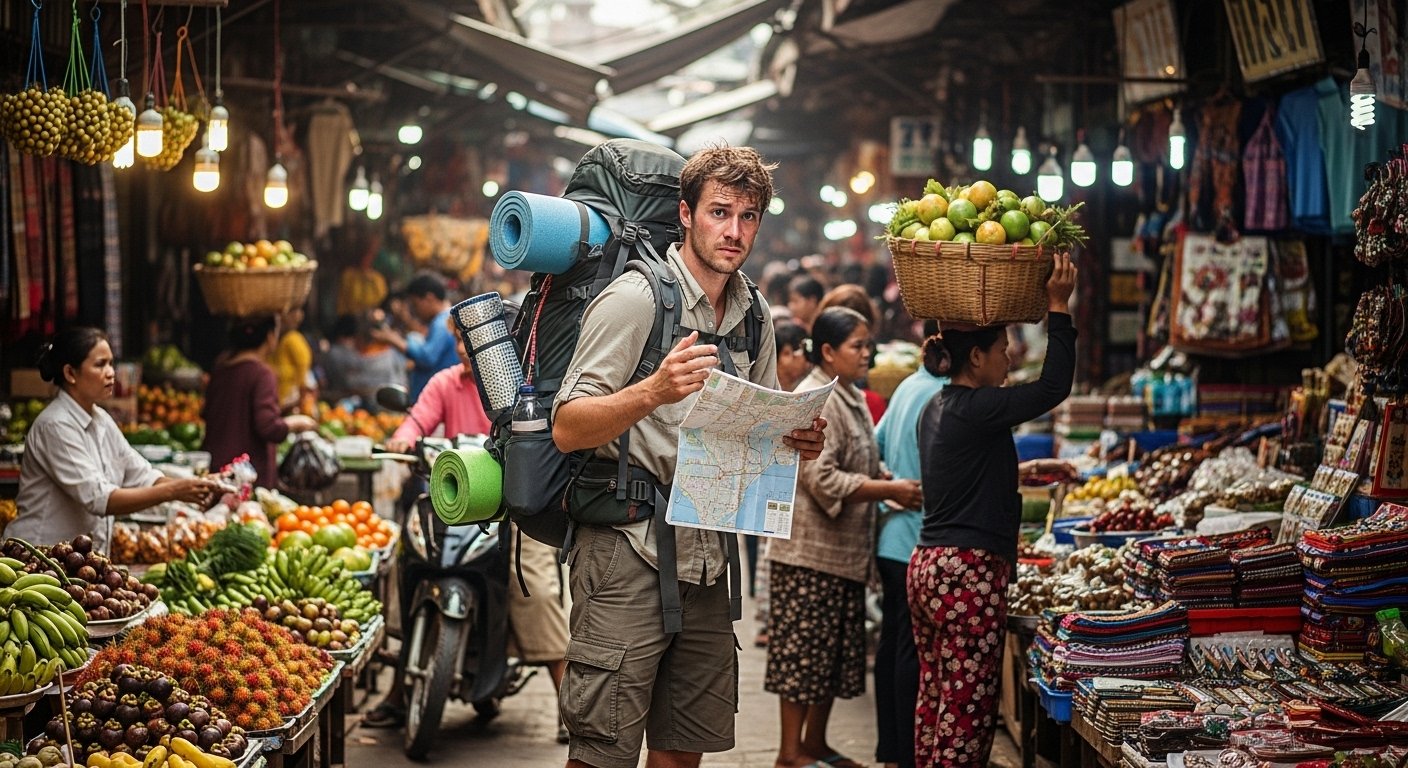
Having small denominations of Cambodian Riel (or US Dollars) is incredibly useful. Many vendors, especially in markets or for small purchases, may not have change for large bills. This can sometimes lead to you overpaying. Furthermore, negotiation is a common practice in markets and with tuk-tuk drivers. Don’t be afraid to politely bargain for a fairer price. However, always remain friendly and respectful during negotiations. This applies particularly to `tuk-tuk and local transportation negotiation`.
##### Currency Confusion (USD vs Riel Usage)
Cambodia primarily uses two currencies: the US Dollar (USD) and the Cambodian Riel (KHR). While USD is widely accepted for most transactions, particularly larger ones, local currency is used for smaller purchases and change. You will often pay in USD and receive change in KHR. Understand that roughly 4,000 KHR equals 1 USD. Familiarize yourself with this `US Dollar and Cambodian Riel currency` dynamic to avoid confusion and ensure fair transactions. Avoid currency confusion by always clarifying the price in the currency you intend to pay.
##### Petty Crime
Petty crime, such as phone and bag snatching, occurs frequently, with thieves on motorcycles targeting foreigners in Phnom Penh, Siem Reap, and Sihanoukville. Be cautious, especially in crowded areas. Keep your valuables secure and out of sight. Avoid carrying large amounts of cash or wearing expensive jewelry. When riding in a tuk-tuk, keep your bag close to you and away from the roadside. If you are robbed, do not resist.
#### Making Visa Application Mistakes
One of the most common oversights for first-time visitors is not properly understanding Cambodia’s visa requirements and process.
##### Visa Requirements and Process
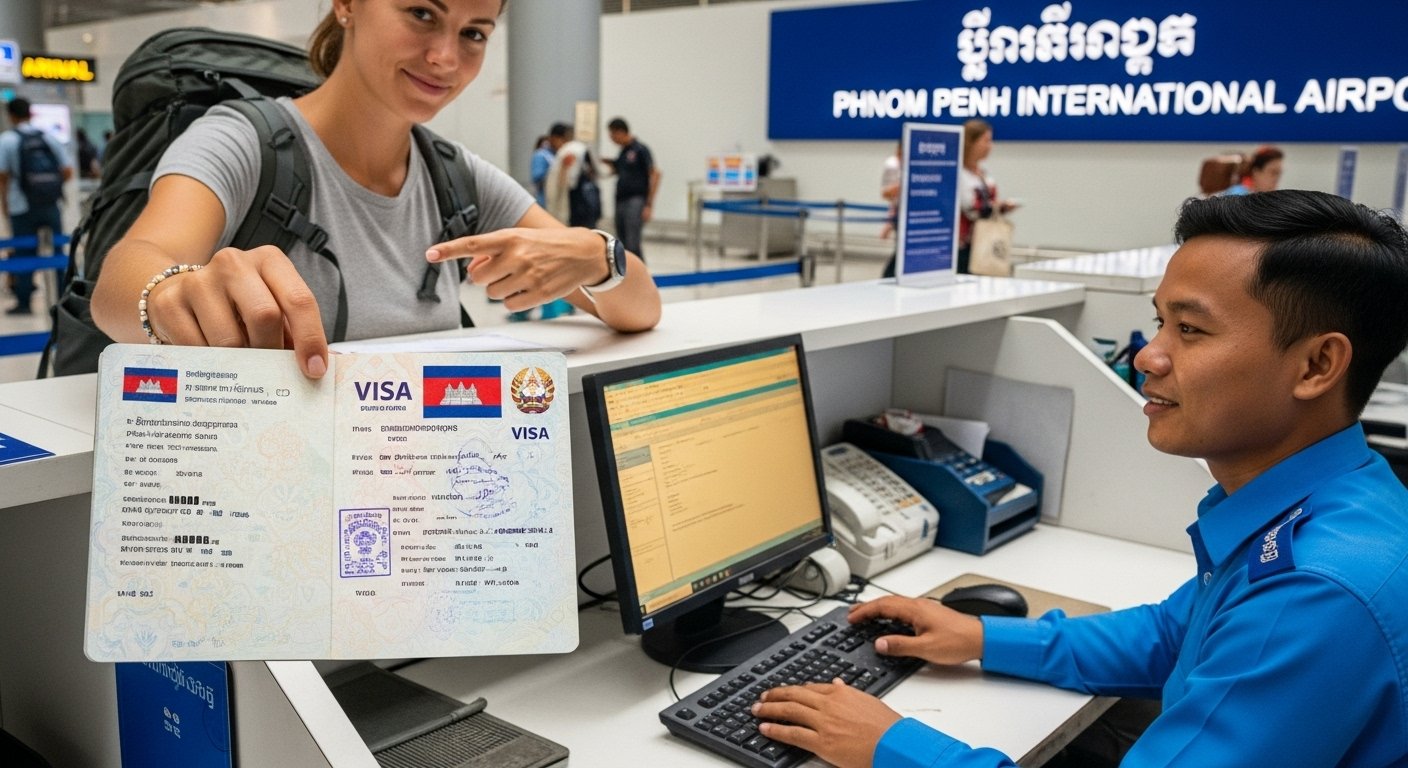
Most nationalities require a visa to enter Cambodia. You can obtain a visa on arrival at international airports and some land borders, or apply for an e-Visa online before you travel. Ensure your passport has at least six months of validity remaining from your entry date and a few blank pages for stamps. Always use official government websites for e-Visa applications to avoid scams and inflated fees. For detailed guidance on securing your visa, refer to our comprehensive guide: How to Get a Cambodia Visa: Guide for Tourists. This will help you avoid `visa application mistakes`.
#### Poor Planning and Itinerary Management
Many first-time travelers underestimate the logistics of traveling in Cambodia, leading to rushed experiences and missed opportunities. Careful planning is essential for a smooth trip.
##### Underestimating Travel Time & Rushing Itinerary
Travel between cities in Cambodia can take longer than expected due to road conditions and traffic. Trying to cram too much into a short itinerary is a common mistake. Allow ample time for transit, relaxation, and spontaneous exploration. A rushed itinerary often leads to exhaustion and less enjoyment. Consider spending at least 2-3 full days exploring the Angkor Wat complex alone. For a comprehensive plan, check out our First-Time Cambodia Travel Guide: Ultimate Beginners Plan.
##### Traveling During the Wrong Season
The timing of your visit significantly impacts your experience. `Traveling during the wrong season` can mean extreme heat, heavy rains, or massive crowds. Here’s a quick guide to help you choose the best time to visit Cambodia:
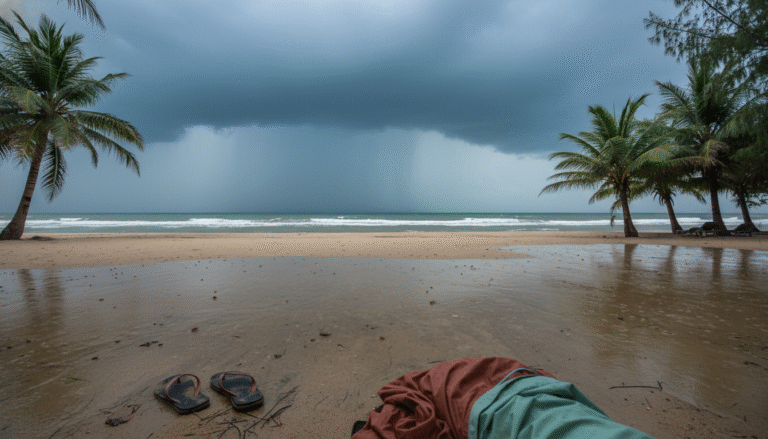
The `peak travel season` (November to February) offers the most comfortable weather but also the largest crowds and higher prices. Conversely, the wet season can bring stunning green landscapes and fewer tourists, but rain might disrupt plans.
##### Not Considering Transportation Safety
While local transportation like tuk-tuks is part of the experience, safety is paramount. Traffic accidents are a serious concern in Cambodia. A total of 1,509 people died in 2,844 traffic accidents in Cambodia in 2024, representing a 5% drop from 2023 figures. This highlights the importance of choosing reputable drivers and always wearing a helmet if riding a motorcycle. For longer distances, use established bus companies or private car services with good safety records. Always keep your belongings secure in tuk-tuks to prevent snatchings.
##### Tuk-tuk and Local Transportation Negotiation
Before hopping into a tuk-tuk, always agree on the price for your journey. Many drivers will quote inflated prices to tourists. Having a rough idea of fair fares for common routes can help. You can also use ride-hailing apps like Grab or PassApp, which offer fixed prices and a safer experience. This will help you manage `tuk-tuk and local transportation negotiation` effectively.
#### Angkor Wat Complex Blunders
The `Angkor Wat complex` is undoubtedly the highlight for many visitors. However, without proper planning, your experience can be less than ideal.
##### Buying the Wrong Angkor Pass
There are different types of Angkor passes: 1-day, 3-day, and 7-day. `Buying the wrong Angkor pass` is a common mistake. A 1-day pass is rarely enough to appreciate the vastness of the complex. Most travelers find a 3-day pass to be the best value, allowing them to explore at a more relaxed pace. Always purchase your pass from the official Angkor Enterprise ticket office to avoid scams. Be aware that only the official website offers legitimate online tickets.
##### Visiting Angkor Wat at Peak Hours
To truly enjoy the grandeur of Angkor Wat, avoid `visiting Angkor Wat at peak hours`. This means getting up early for sunrise (a popular but crowded experience) or visiting later in the afternoon. Midday can be scorching hot and packed with tour groups. Consider visiting some of the lesser-known, yet equally impressive, temples during these peak times to escape the crowds and the heat.
##### Neglecting Proper Attire and Hydration at Temples
As mentioned, respectful attire is mandatory for temples. Beyond that, `neglecting proper attire and hydration at temples` can lead to discomfort or heatstroke. The Cambodian sun is intense. Wear light, breathable clothing that covers you, a wide-brimmed hat, sunglasses, and high-SPF sunscreen. Carry a reusable water bottle and refill it frequently. Dehydration is a real risk when exploring these vast sites for hours in the heat. It is also a good idea to wear comfortable, closed-toe walking shoes as you will be doing a lot of walking and climbing.
For more comprehensive advice on navigating the country, delve into our essential Cambodia Travel Tips: Must-Know Guide.