Cambodia Guide: Can You Drink Tap Water in Cambodia?
Imagine exploring the breathtaking ancient temples of Angkor Wat, wandering through bustling markets in Phnom Penh, or relaxing by the Mekong River. Cambodia offers an unforgettable adventure. However, a common concern for many visitors is a fundamental question: Can you drink tap water in Cambodia? The short answer for most travelers is no, it’s generally not recommended. Unsafe drinking water can quickly derail your travel plans, leading to uncomfortable and sometimes serious health issues. This comprehensive guide will equip you with essential health tips, explain why caution is necessary, and provide reliable alternatives for staying hydrated safely throughout your Cambodian journey.
Why is Drinking Tap Water in Cambodia Generally Unsafe for Travelers?
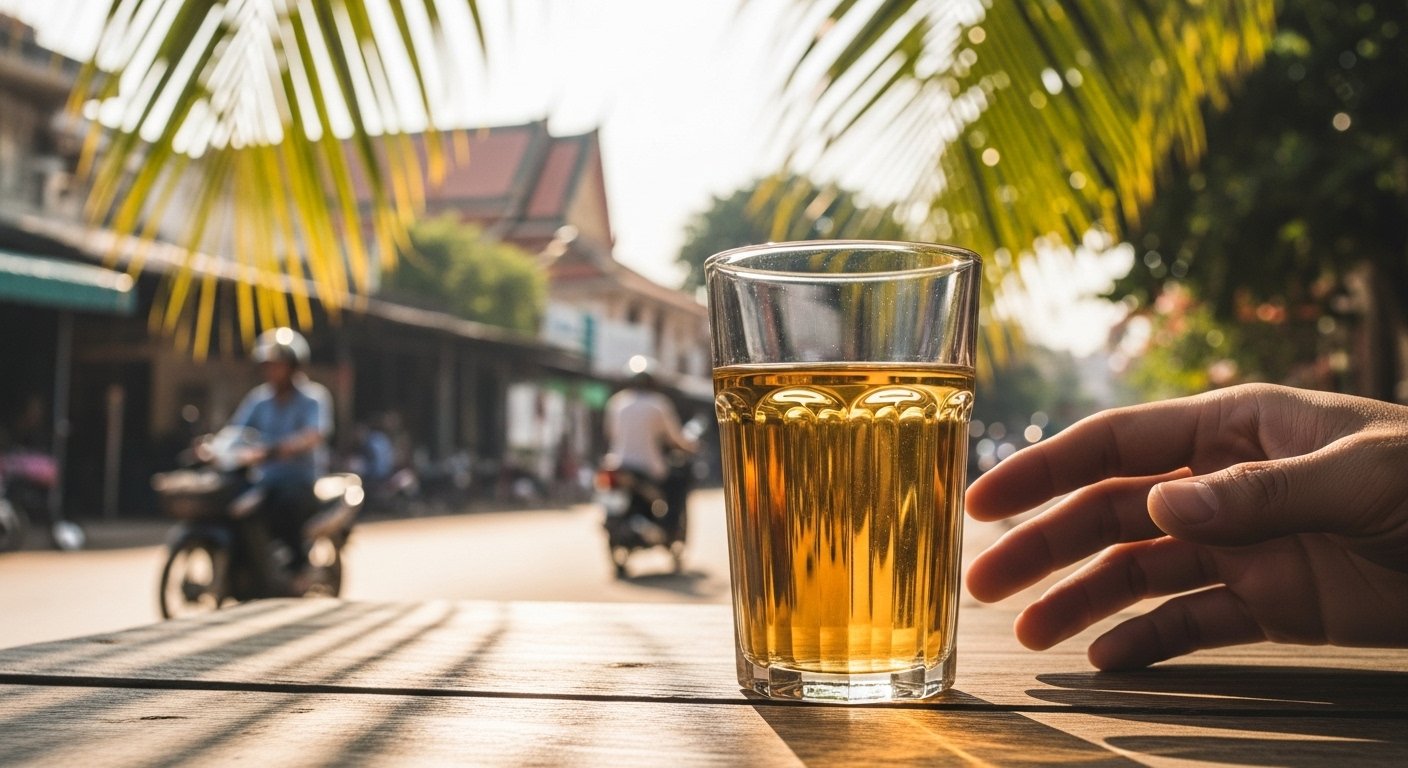
While Cambodia has made strides in improving water access, the journey towards widespread safely managed drinking water is ongoing. Travelers often face risks due to varying water quality and potential contamination. According to recent data from 2024, only 30% of the population in Cambodia uses a safely managed drinking water service. This statistic highlights a significant challenge in ensuring consistent water quality across the country. Poor water quality can lead to various health problems, particularly for those not accustomed to local pathogens.
The Hidden Dangers: Waterborne Diseases
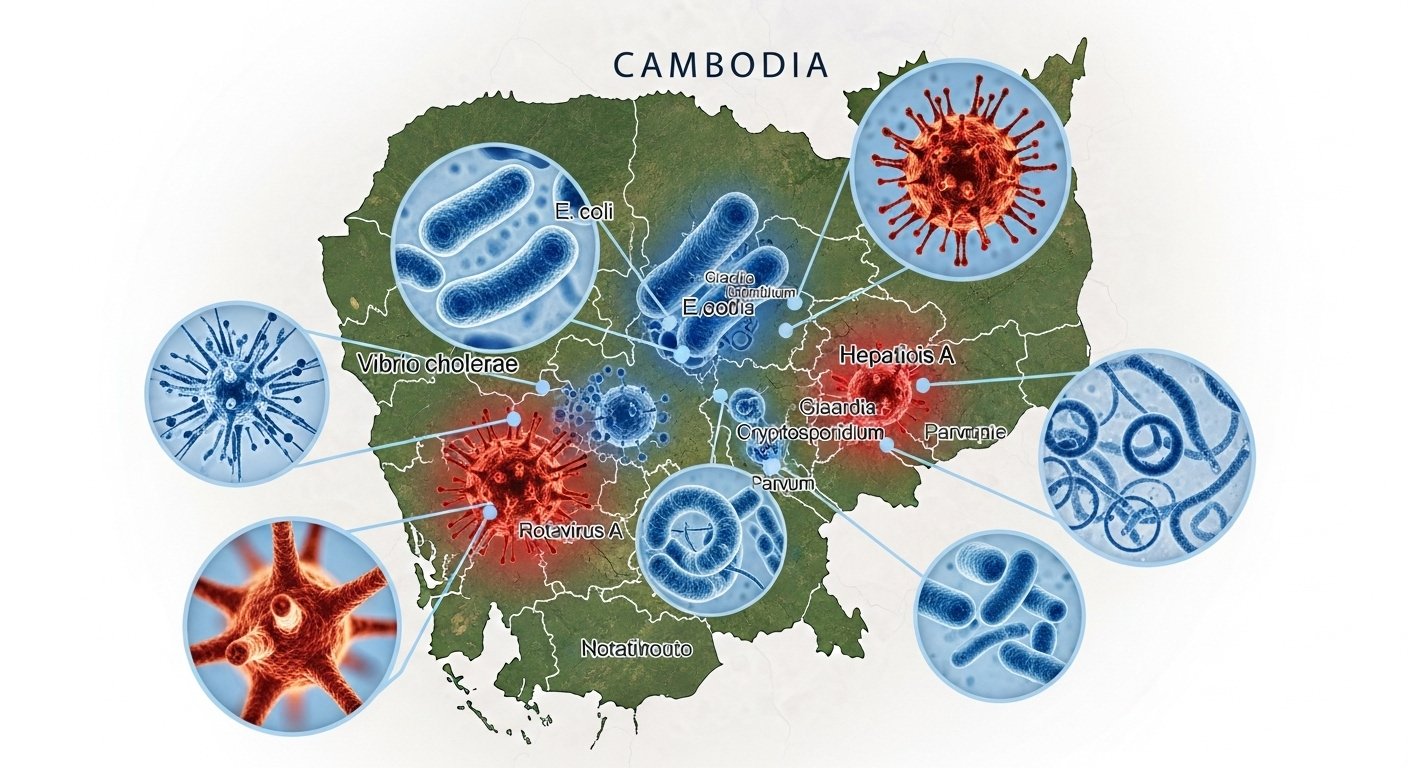
One of the primary reasons to avoid untreated tap water is the risk of waterborne diseases. These illnesses are caused by pathogenic microorganisms transmitted through contaminated water. Common culprits include bacteria like E. coli and Salmonella, viruses such as Hepatitis A, and parasites causing Cholera and Typhoid. Travelers’ diarrhea and other gastrointestinal issues Cambodia travelers experience are often directly linked to consuming unsafe water or food prepared with it. Sadly, diarrhea, primarily caused by contaminated water, remains the second leading cause of death for Cambodian children under five years old. This grim statistic underscores the severity of water quality challenges in the nation.
Can Locals Drink Tap Water in Cambodia? A Different Perspective
Many travelers wonder, “Do locals in Cambodia drink tap water?” The situation for residents is complex and varies greatly. As of 2024, eighty-seven percent of Cambodia’s population had access to basic drinking water. However, ‘basic access’ does not always equate to ‘safely managed’ water, which means it is free from contamination and readily available. Many locals, particularly those in urban areas, may drink tap water or consume ice without apparent issues due to varying degrees of acclimatization to local microorganisms over time. This acclimatization does not extend to most foreign travelers. Furthermore, access to safe water is significantly lower in rural areas. As of November 2023, 1 in 4 people in rural areas still use water from sources that may not be safe.
Tap Water Quality in Major Cities: Phnom Penh and Siem Reap
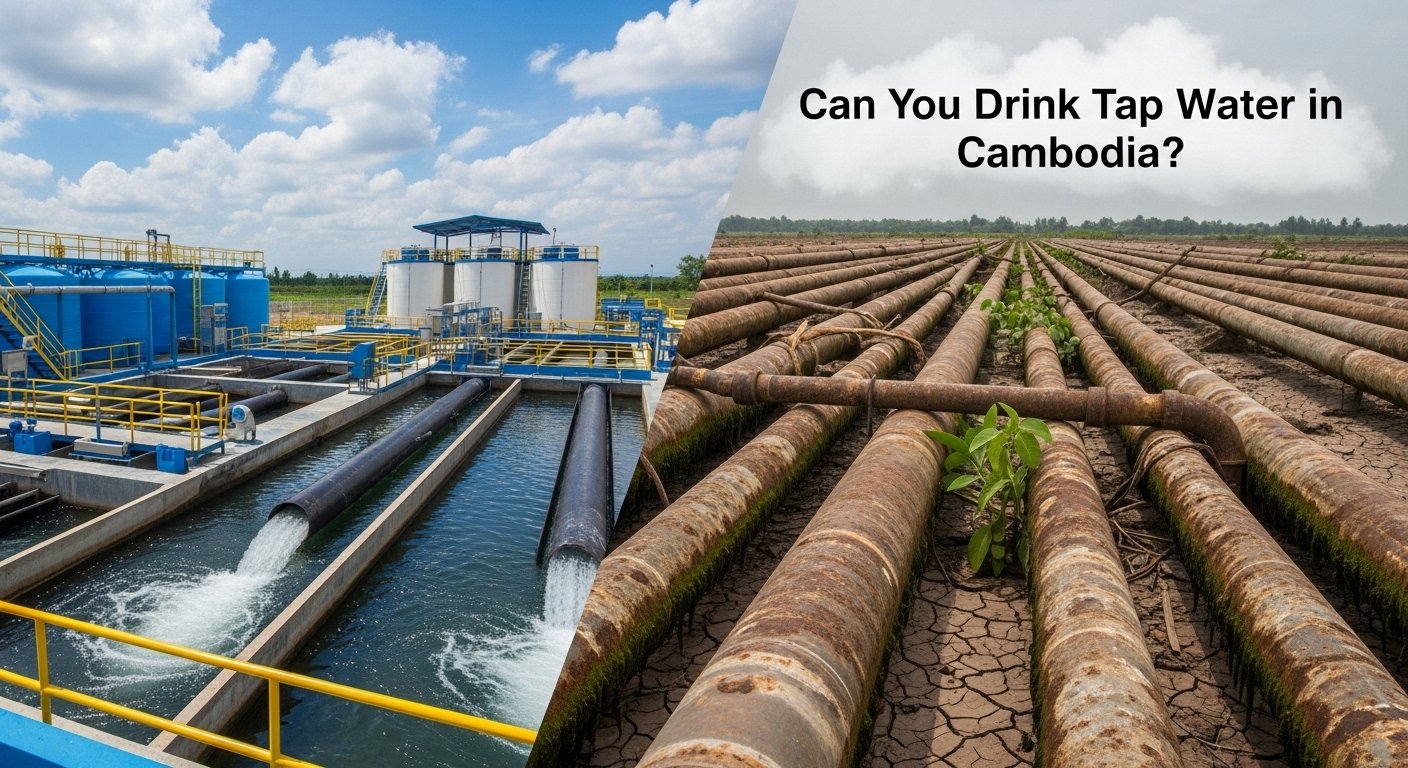
When considering “Can you drink tap water in Siem Reap?” or “Can you drink tap water in Phnom Penh?”, the answer requires nuance. While tap water in major cities like Phnom Penh and Siem Reap is officially considered safe to drink at the treatment plant, it is generally recommended to avoid untreated tap water. This caution stems from potential contamination that can occur as the water travels through old, corroded pipes and is stored in building tanks before reaching the tap. Even if the water leaves the plant clean, the journey to your glass can compromise its quality, introducing bacteria and other pollutants. Therefore, for Phnom Penh tap water quality and Siem Reap tap water safety, bottled or purified water is the safest bet for travelers.
Brushing Your Teeth and Other Hygiene: Can You Use Tap Water in Cambodia?
“Can I brush my teeth with tap water in Cambodia?” This is a common and important question for travelers. Even if you’re not drinking the water directly, incidental ingestion during brushing can pose a risk of gastrointestinal issues. It is best practice to use bottled or purified water for brushing your teeth. Similarly, when showering, try to avoid getting water in your mouth. For washing fruits and vegetables that you intend to eat raw, it’s also advisable to use purified water or a diluted iodine solution to minimize contamination risks.
Is Ice Safe in Cambodia? Understanding the Risk
Another frequent query is, “Is ice in Cambodia safe to consume?” and more broadly, “Is ice safe in Cambodia?” The safety of ice largely depends on its source. Ice made from purified or bottled water is generally safe. However, ice made from untreated tap water or from unknown sources carries the same risks as drinking the tap water itself. In many reputable hotels, restaurants, and bars, ice is typically made from filtered water. When in doubt, it’s always better to err on the side of caution and politely decline ice in your drinks, especially from street vendors or less established eateries. Look for ice that is solid, clear, and has a hole in the middle, indicating it was likely commercially produced from purified water. This is a good health tip for Cambodia travelers regarding water safety.
Safe Hydration Options: Your Best Bet for Cambodia Drinking Water for Tourists
Ensuring you have access to safe drinking water is paramount for a healthy trip. Fortunately, several reliable options are available for Cambodia drinking water for tourists. Avoiding potential illness allows you to focus on the wonders of the country, like navigating common Cambodia travel mistakes first-time visitors avoid.
Bottled Water: The Easiest Option
Bottled water is the most convenient and widely available option for safe hydration. You’ll find it almost everywhere – shops, restaurants, hotels, and tourist sites. Always check that the seal on the bottle is unbroken before purchasing. While convenient, the environmental impact of plastic bottles is a growing concern. Consider ways to minimize your plastic footprint, perhaps by choosing larger bottles or utilizing refill options when possible. The bottled water price Cambodia offers is generally affordable, making it accessible for most travelers. For more planning tips, check out our first-time Cambodia travel guide.
Portable Water Purification Methods
For the environmentally conscious traveler or those venturing to more remote areas, portable water purification methods are excellent alternatives to relying solely on bottled water. These methods offer independence and reduce plastic waste.
– Boiling Water: Bringing water to a rolling boil for at least one minute (or three minutes at altitudes above 2,000 meters / 6,562 feet) effectively kills most harmful bacteria, viruses, and parasites. This is a reliable method for boiling water in Cambodia for drinking, especially if you have access to a stove or immersion heater.
– Water Purification Tablets: Chemical purification tablets, typically containing iodine or chlorine dioxide, are lightweight and effective against most microorganisms. They are a good backup, though they can leave a slight aftertaste and require waiting time (usually 30 minutes to 4 hours) to be effective. Always follow the manufacturer’s instructions for water purification tablets Cambodia.
– Water Filters for Cambodia Travel: Portable water filters, such as those from brands like Lifestraw or Sawyer, physically remove bacteria and protozoa. Some advanced filters also tackle viruses. They are excellent for filtering larger quantities of water quickly. Consider a filter designed for international travel with a high filtration rate.
– UV Sterilizers: Devices like the SteriPEN use ultraviolet light to neutralize bacteria, viruses, and protozoa. They are fast, effective, and don’t alter the taste of water, making them a popular choice for many travelers.
Refill Water Stations
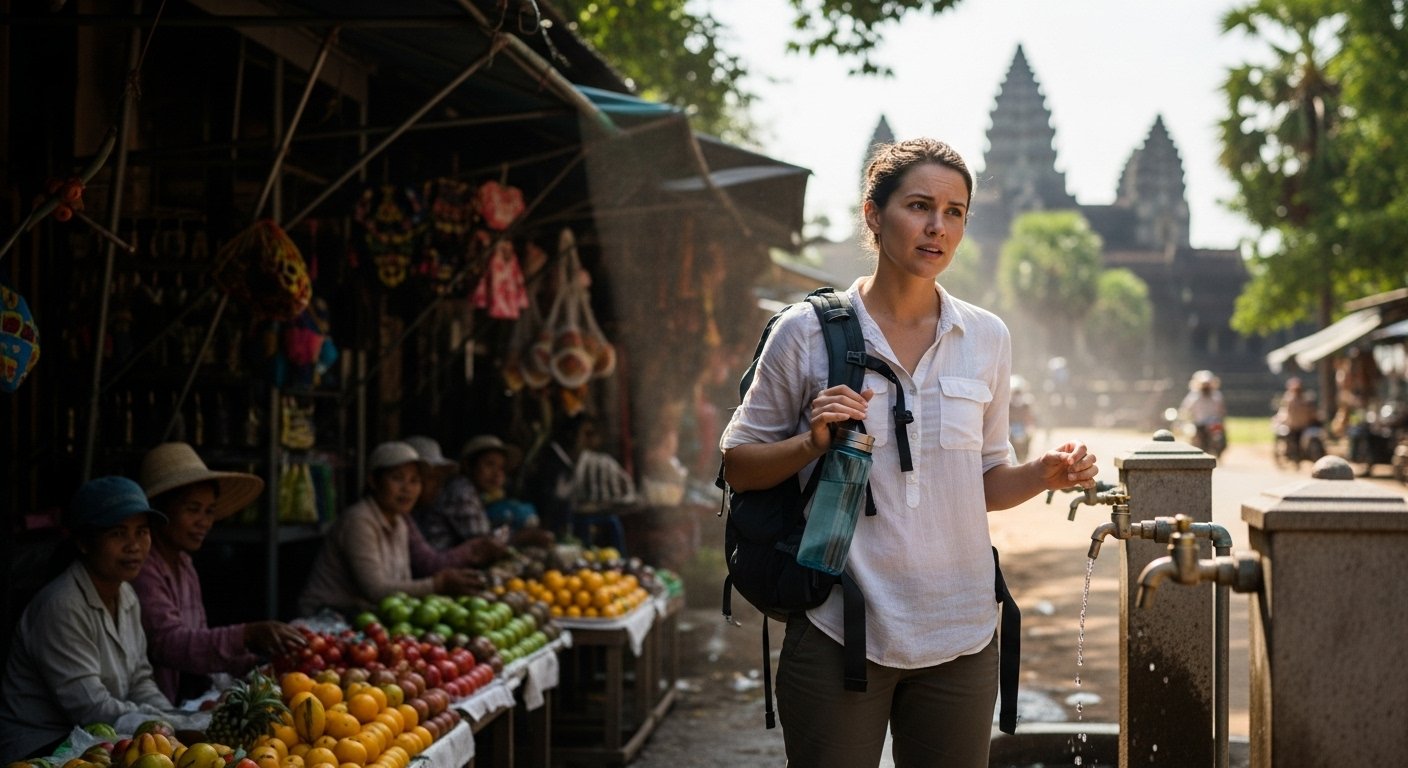
In a growing effort to reduce plastic waste, many guesthouses, cafes, and eco-friendly businesses in popular tourist hubs now offer refill water stations Cambodia. These stations allow you to refill your reusable water bottle with purified water for a small fee, or sometimes even for free. Carrying a reusable bottle is one of the top Cambodia travel tips must-know for sustainable and safe hydration.
Essential Health Tips for Cambodia Travelers: Water & Food Safety
Beyond just drinking water, overall food and water hygiene are critical for preventing illness. The CDC advises travelers to Cambodia to be vigilant about food and water precautions. Hepatitis A and Typhoid vaccines are recommended for most travelers, as these diseases are endemic to the region and spread through contaminated food and water. Always consult your doctor or a travel clinic before your trip to discuss recommended vaccinations and preventative measures.
– Wash Your Hands Frequently: This simple act is your best defense against many illnesses. Use soap and water, or an alcohol-based hand sanitizer, especially before eating and after using the restroom.
– Eat Cooked Food: Opt for hot, freshly cooked food. Avoid raw or undercooked meats, seafood, and eggs. Peeling your own fruits and vegetables is also safer than eating pre-peeled items. Be wary of salads or uncooked produce washed in questionable water.
– Be Mindful of Street Food: While delicious, street food can be risky due to inconsistent hygiene. Choose vendors who are busy (indicating fresh turnover), prepare food in front of you, and maintain clean stalls. This is especially important for avoiding common Cambodia travel mistakes.
– Avoid “Bushmeat”: These are wild animals, often sold by street vendors. Consuming them carries a high risk of zoonotic diseases.
– Seek Medical Attention If Needed: If you experience severe diarrhea, fever, or persistent vomiting, seek medical advice promptly. Early treatment can prevent more serious complications. For comprehensive travel health information regarding Cambodia, the Centers for Disease Control and Prevention (CDC) offers detailed guidance for travelers. Additionally, UNICEF Cambodia provides valuable insights into the country’s water, sanitation, and hygiene challenges, highlighting ongoing efforts and areas needing improvement.
Key Takeaways
- Avoid drinking untreated tap water in Cambodia due to potential contamination and health risks.
- Always opt for bottled or properly purified water for drinking and brushing teeth.
- Be cautious with ice, ensuring it comes from a reputable source using purified water.
- Utilize portable water purification methods like boiling, filters, tablets, or UV sterilizers, especially for extended stays or rural travel.
- Practice diligent hand hygiene and consume hot, freshly cooked food to minimize the risk of waterborne and foodborne illnesses.
- Consult your healthcare provider for recommended vaccinations like Hepatitis A and Typhoid before your trip.
Frequently Asked Questions
Safeguarding your health during your travels to Cambodia, particularly regarding water consumption, is crucial for an enjoyable experience. By understanding the risks associated with untreated tap water and consistently choosing safe hydration methods, you can mitigate the chances of illness. Prioritize bottled or purified water, practice good hygiene, and be mindful of your food choices. Armed with these health tips, you are well-prepared to savor the wonders of Cambodia with peace of mind.