Ratanakiri Travel Guide: Volcanic Lakes & Tribes
Are you searching for an authentic adventure, far removed from well-trodden tourist paths? Do you dream of pristine natural beauty, ancient landscapes, and vibrant cultures waiting to be discovered? Look no further than Ratanakiri, Cambodia’s enigmatic ‘Red Earth’ province in the northeast. This comprehensive Ratanakiri travel guide will unlock the wonders of a region renowned for its stunning volcanic lakes, captivating waterfalls, and the rich traditions of its indigenous communities. Prepare to delve into an untouched corner of Southeast Asia, where every journey promises a profound connection with nature and heritage. You will learn about the best times to visit, how to navigate the province, essential things to do, and how to embrace responsible tourism practices.
Discovering Ratanakiri: Cambodia’s Untamed Gem
Ratanakiri Province, often called the ‘Red Earth’ due to its distinctive iron-rich soil, stands as one of Cambodia’s most captivating and least-explored destinations. It shares borders with Laos and Vietnam, creating a unique cultural and geographical crossroads. The province is characterized by its rolling hills, dense jungle, and a landscape sculpted by ancient volcanic activity. As of Cambodia’s 2019 census, the population of Ratanakiri Province was 217,453 people. Indigenous ethnic groups, collectively known as Khmer Loeu hill tribes, constitute approximately 66% of Ratanakiri’s residents, according to the same 2019 census. These communities maintain a way of life deeply connected to the land, offering a rare glimpse into Cambodia’s diverse cultural tapestry. The provincial capital, Banlung, serves as the main hub for explorations into this wild heartland.
When is the Best Time to Visit Ratanakiri?
Choosing the ideal time for your Ratanakiri adventure can significantly enhance your experience. This region experiences two distinct seasons, each offering unique advantages for travelers.
Dry Season (November to May)
The dry season is generally considered the most popular time to visit Ratanakiri. During these months, rainfall is minimal, and the weather is typically sunny and warm. Road conditions, especially for venturing into more remote areas and ethnic villages, are at their best. Trekkers will find jungle paths more accessible and less muddy. Water levels in the waterfalls are lower, revealing more of their rock formations, though they might be less dramatic. Temperatures can be quite hot from March to May, so planning activities for early mornings and late afternoons is advisable. Many people prefer the cooler months of November to February.
Green Season (June to October)
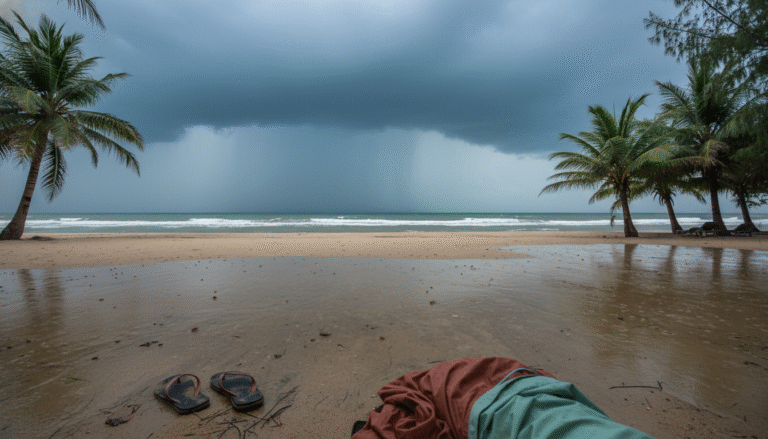
While often overlooked, the green season (or rainy season) presents a different kind of beauty in Ratanakiri. The landscape transforms into a vibrant, lush emerald paradise. Waterfalls like Cha Ong Waterfall, Katieng Waterfall, and Kachanh Waterfall are at their most powerful and impressive, thundering with rainwater. Trekking can be more challenging due to muddy trails, yet the reward is an even more immersive jungle experience with fewer tourists. It is also an excellent time for photography, capturing the vivid greenery and dramatic skies. Be prepared for occasional heavy downpours, which usually don’t last all day, and ensure your accommodation can handle the weather.
Ultimately, the best time to visit Ratanakiri depends on your priorities. For ease of travel and trekking, the dry season is superior. For lush landscapes and powerful waterfalls, embrace the green season. Remember to pack accordingly for either period.
How to Get to Ratanakiri
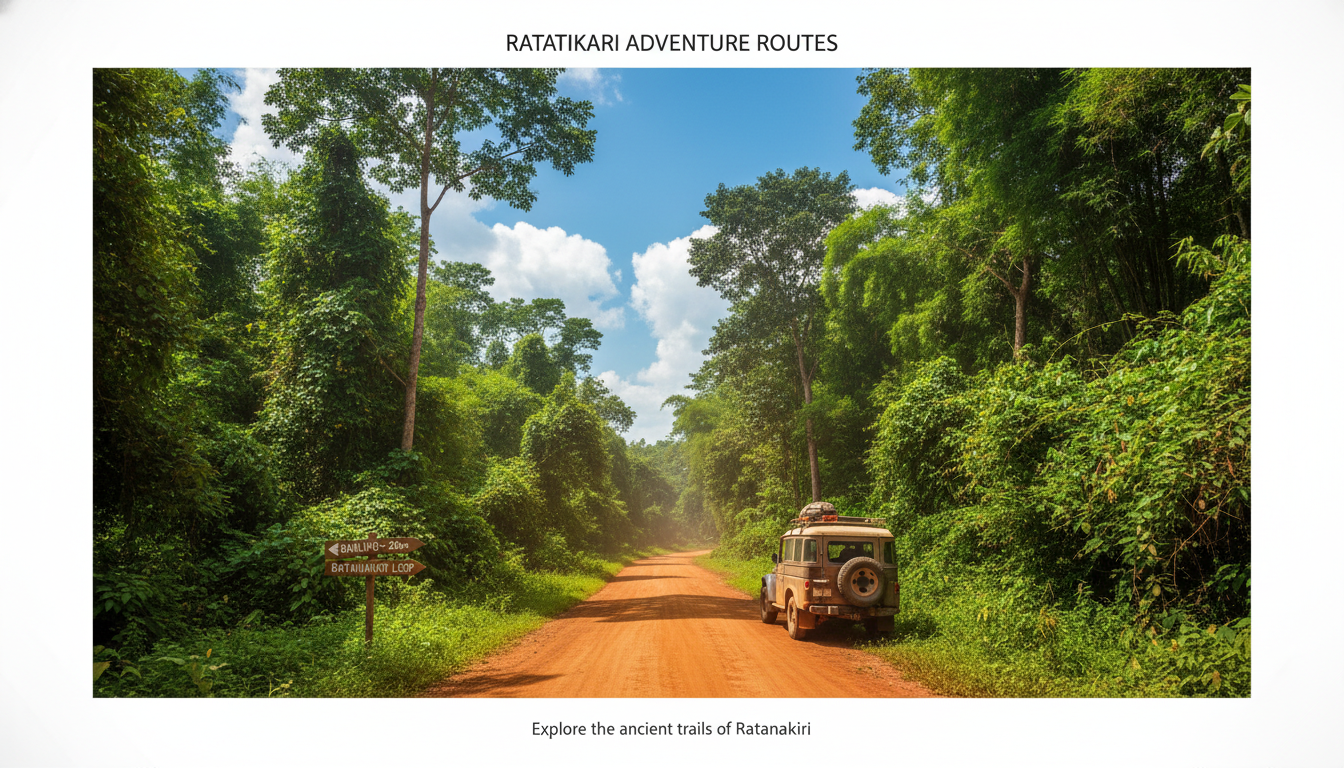
Reaching Ratanakiri, specifically its capital Banlung, is part of the adventure. While it might seem remote, several options exist for travelers making their way to this northeastern province.
By Bus
Long-distance buses are the most common and economical way to reach Banlung. Regular services operate from major Cambodian cities. From Phnom Penh, the journey can take between 10 to 12 hours, often involving an overnight bus. Similarly, buses from Siem Reap offer another route, though they might require a transfer in other provinces like Stung Treng. The roads have improved significantly over the years, making the journey more comfortable than it once was. Always book your tickets in advance, especially during peak travel seasons, and consider air-conditioned sleeper buses for overnight routes. For more general advice on getting around the country, explore our guide on how to travel around Cambodia.
By Plane
While there isn’t a large international airport directly in Banlung, some domestic flights or connections might be available to nearby regional airfields. However, this is less common for independent travelers and often involves charter flights or flying to a larger hub and then connecting via road. For most, the bus remains the most practical public transport option.
By Private Car or Taxi
For those seeking greater comfort and flexibility, hiring a private car or taxi is an excellent choice. This allows you to set your own pace, make stops along the way, and travel directly to your accommodation in Banlung. The cost is higher, but for groups or those valuing convenience, it can be a worthwhile investment. Always negotiate the price beforehand or book through a reputable agency.
Must-Visit Sites & Things to Do in Ratanakiri
Ratanakiri is a treasure trove of natural wonders and cultural experiences. From ancient volcanic formations to powerful waterfalls and vibrant ethnic villages, there are abundant things to do in Ratanakiri for every adventurous spirit. This section highlights the unmissable attractions in your Ratanakiri travel guide.
Yeak Laom Lake: A Pristine Volcanic Crater
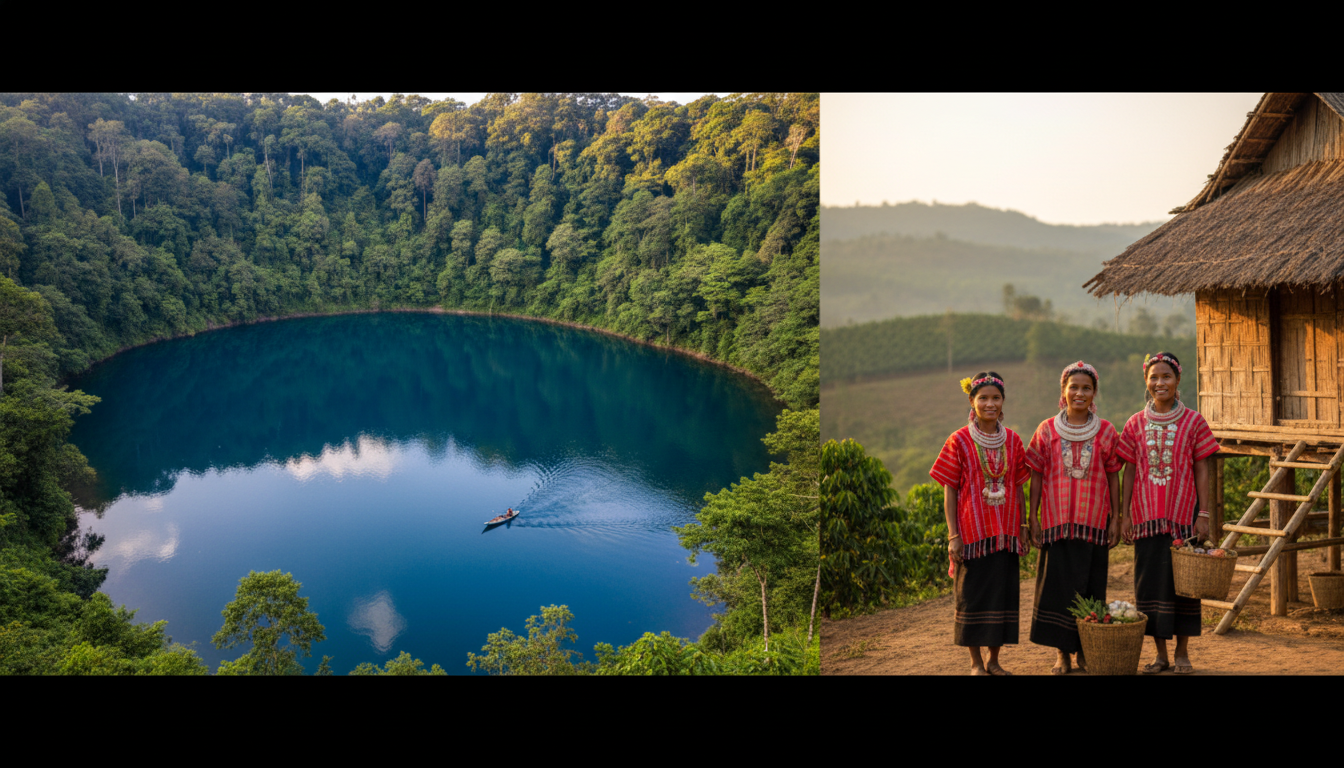
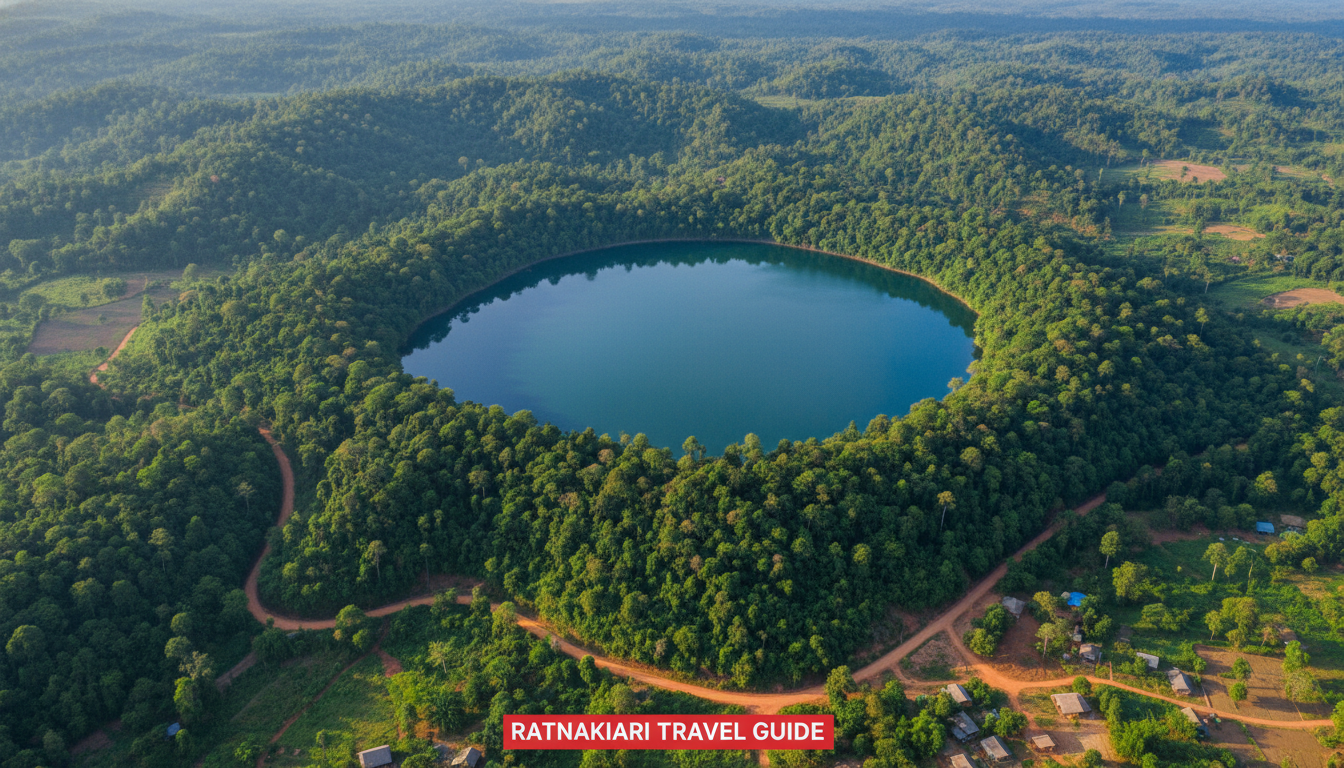
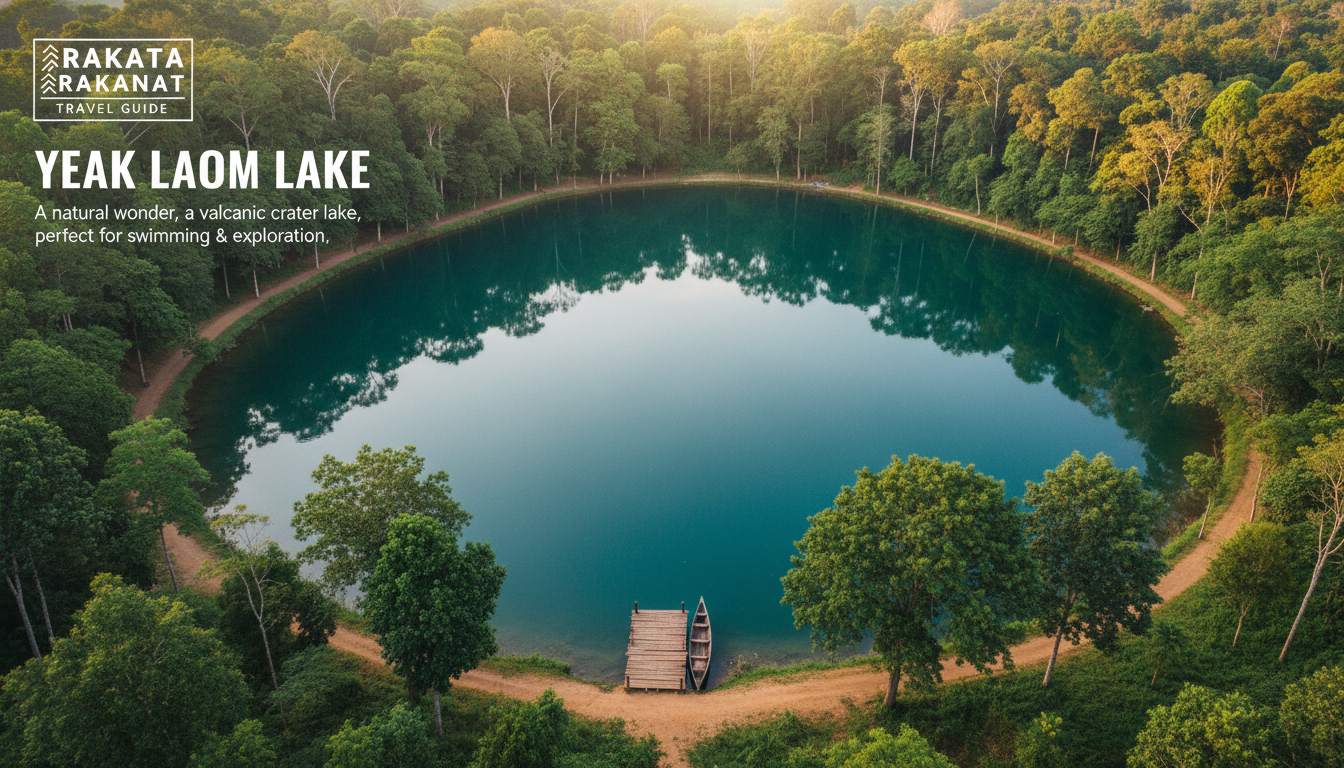
Undoubtedly the most iconic natural attraction in the province, Yeak Laom Lake is a stunning, almost perfectly circular volcanic crater lake. Formed over 4,000 years ago from a volcanic eruption, it is a geological marvel. Yeak Laom Lake has a diameter of about 800 meters and is approximately 48 to 50 meters deep. The lake is revered by local indigenous communities, who consider it sacred. Its crystal-clear, emerald waters are perfect for swimming, and visitors can relax on sandy shores or take a leisurely stroll around the 2.5 km path circling the lake. There are also small traditional craft shops run by local people, offering an opportunity to support the community directly. This serene spot offers a tranquil escape and a chance to connect with Ratanakiri’s ancient past.
Chasing Waterfalls: Ratanakiri’s Cascading Wonders
Ratanakiri is blessed with a series of beautiful waterfalls, each offering a refreshing respite and a chance to experience the raw power of nature. These Ratanakiri waterfalls are particularly impressive during the green season when the water flow is at its peak.
#### Cha Ong Waterfall
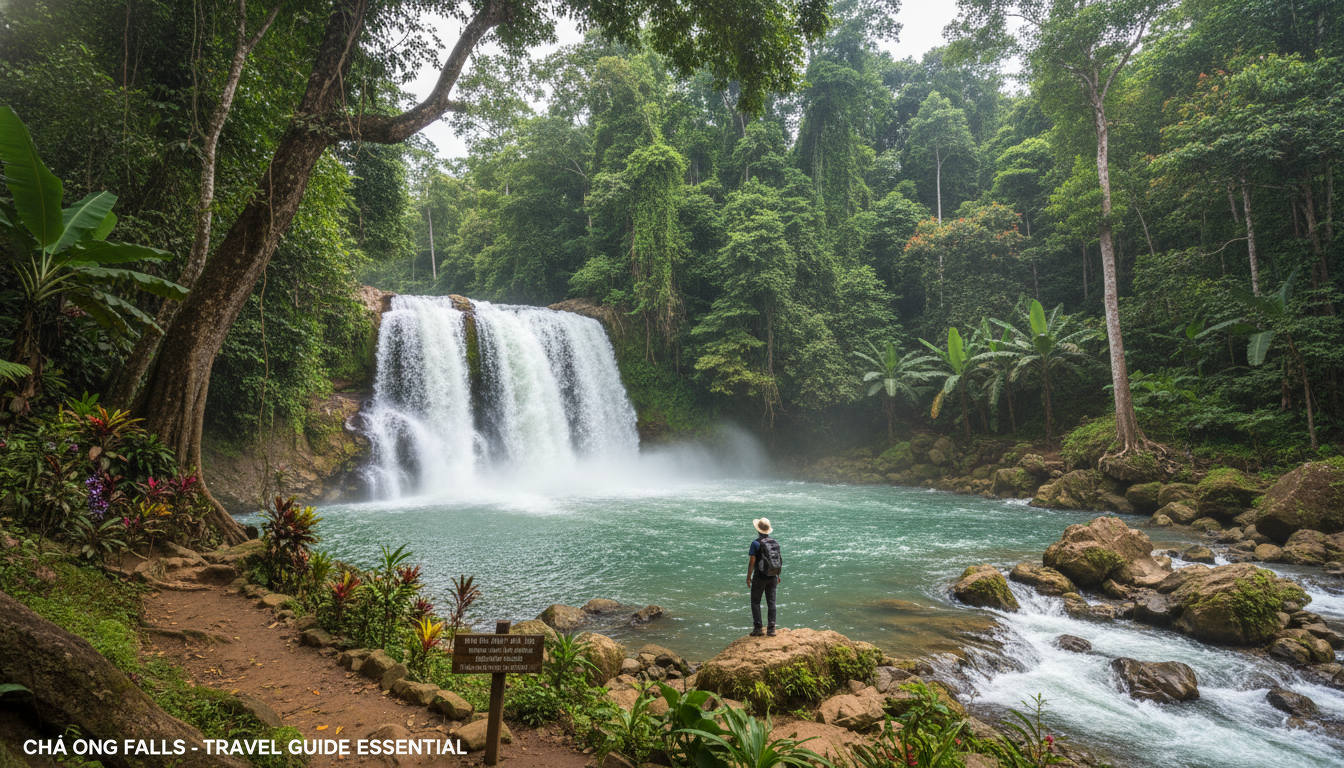
Located about 8 kilometers west of Banlung, Cha Ong Waterfall is one of the most accessible and impressive falls. It features a broad curtain of water plunging into a large pool, perfect for swimming on a hot day. The surrounding area is lush with vegetation, offering fantastic photo opportunities and a peaceful atmosphere. Access involves a short walk through a scenic pathway, making it an enjoyable outing for families and individuals alike.
#### Katieng Waterfall
Further south from Banlung, Katieng Waterfall is another stunning natural attraction. This waterfall cascades over multiple tiers into a deep pool, creating a picturesque setting. Visitors can often find locals enjoying the cool waters or picnicking nearby. The journey to Katieng often passes through rural landscapes, providing glimpses into local life.
#### Kachanh Waterfall
Kachanh Waterfall is notable for its gentle descent over wide rock formations, forming several smaller pools. It’s a popular spot for both locals and tourists to relax, swim, and enjoy the natural environment. The area around Kachanh is often less crowded than Cha Ong, offering a more intimate experience with nature. Many consider it an ideal place to unwind after exploring other attractions.
Immersing in Tribal Culture: Ratanakiri’s Indigenous Heritage
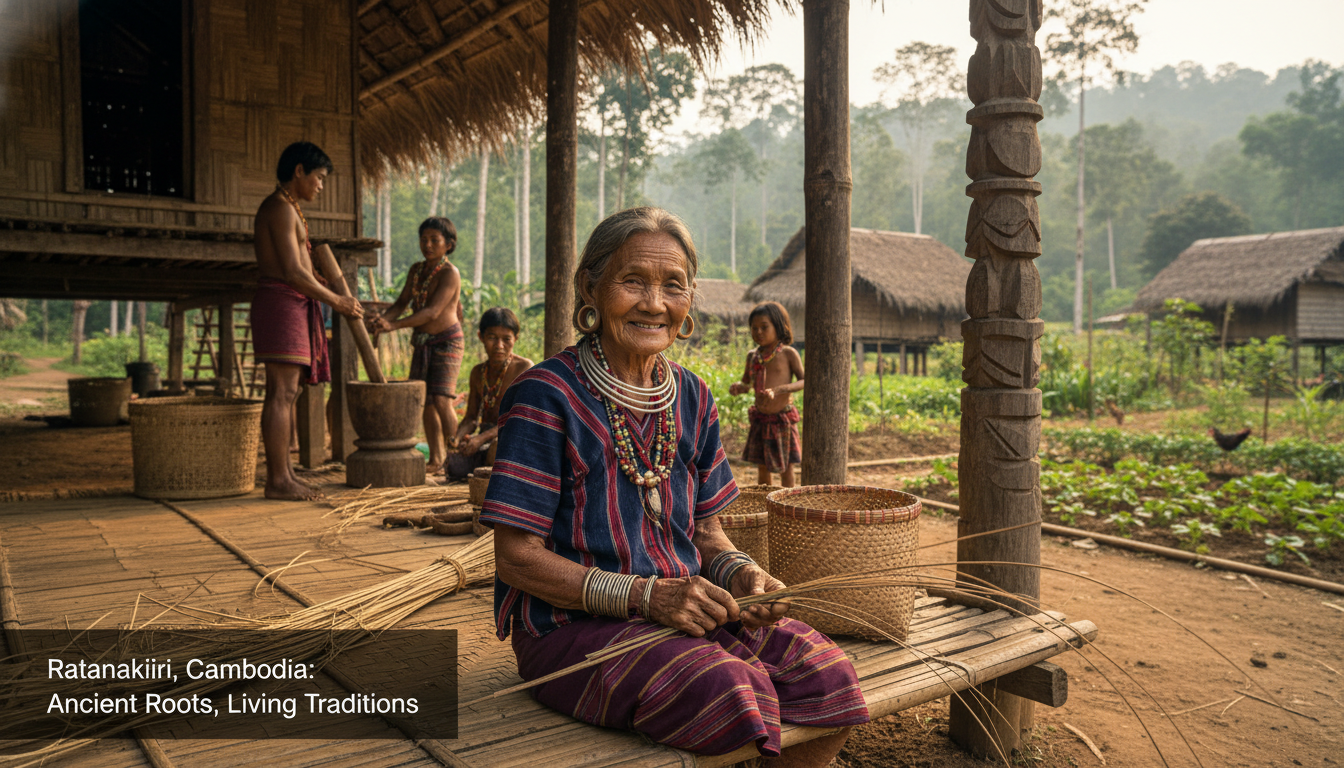
Ratanakiri is home to several indigenous ethnic groups, collectively known as the Khmer Loeu people, or ‘Highland Khmer.’ These communities, including the Kreung tribe and Jarai tribe, have preserved their unique languages, customs, and animist beliefs for centuries. Visiting Ratanakiri ethnic villages offers an unparalleled opportunity to learn about their traditions directly. It is a profoundly enriching experience to witness their traditional housing, observe their daily life, and understand their deep connection to the land. Always remember to approach these visits with respect, seeking permission before taking photographs, and considering hiring a local guide to facilitate cultural exchange. Learn more about the diverse cultures of Cambodia’s ethnic minorities here: Khmer Loeu – Wikipedia.
Trekking and Wildlife in Virachey National Park
For the avid adventurer, Virachey National Park presents an opportunity for true wilderness exploration. This vast protected area, bordering Laos and Vietnam, is one of Cambodia’s most biodiverse regions. It is a haven for rare wildlife, although sightings can be challenging due to the dense jungle. Multi-day treks, always undertaken with experienced local guides, can lead you through primary forest, past remote waterfalls, and to hidden streams. The park is an important site for conservation and offers a glimpse into Cambodia’s pristine ecosystems. Nearby, the Lumphat Wildlife Sanctuary also offers opportunities for wildlife observation, particularly for birds. If you enjoy this kind of nature and adventure travel, you might also be interested in our Mondulkiri travel guide: waterfalls and elephant valley, another wild eastern province.
Exploring Banlung: The Provincial Capital
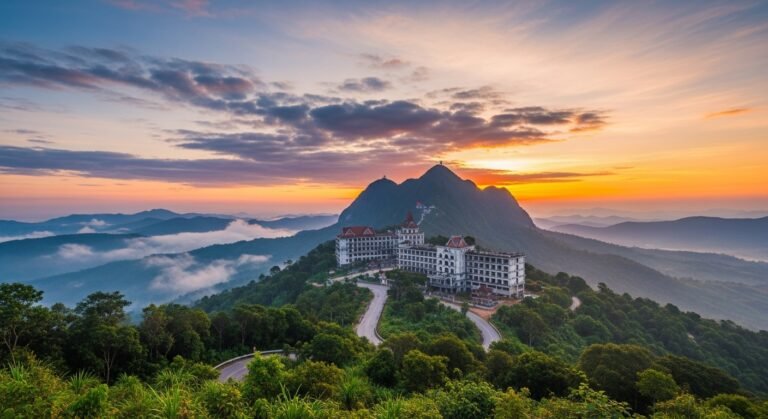
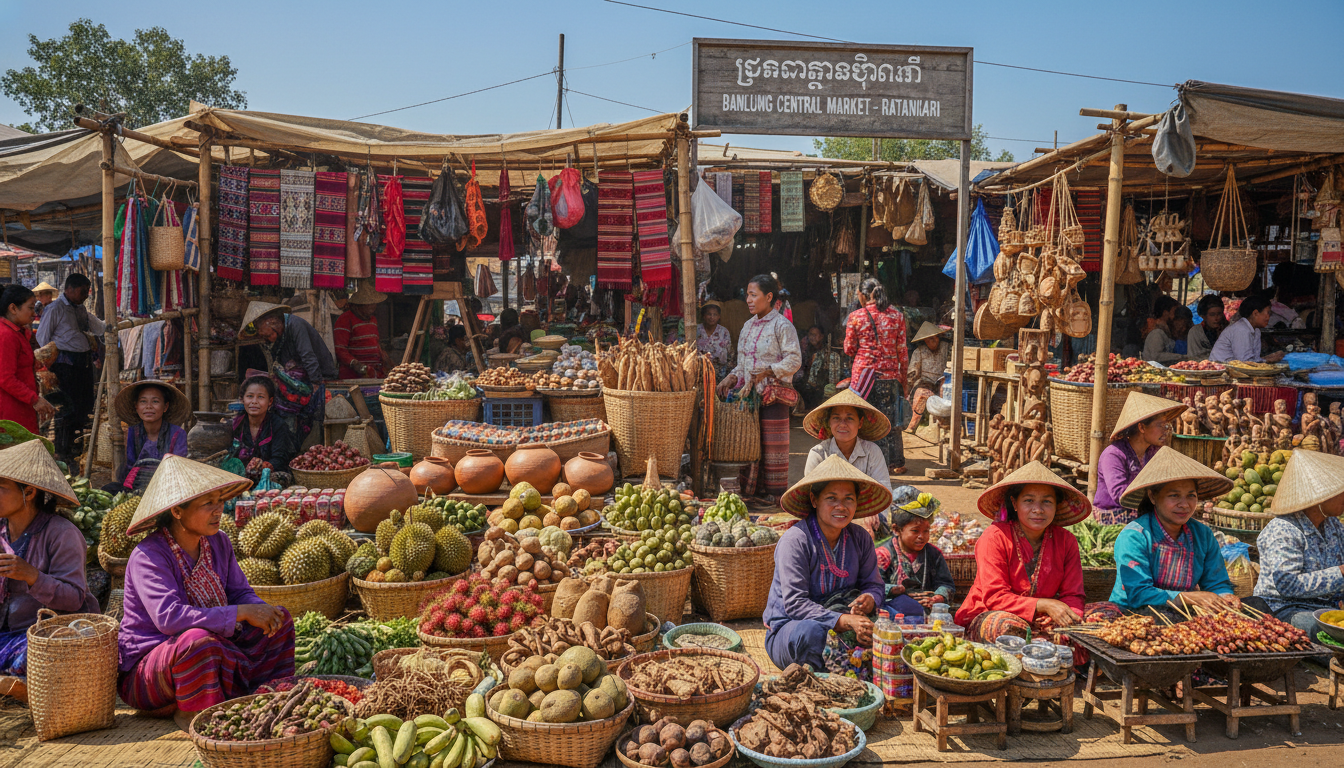
Banlung, despite being the provincial capital, retains a charming, laid-back atmosphere. The town’s central market is a bustling hub of activity, where you can find local produce, traditional crafts, and delicious street food. It’s an ideal place to soak up the local ambiance and interact with friendly residents. For panoramic views of the surrounding ‘Red Earth’ landscape, a visit to Eisey Patamak Mountain, also known as Phnom Svay, is highly recommended, especially at sunset.
Ratanakiri Itinerary: Crafting Your Adventure
To help you plan your journey, here’s a sample Ratanakiri itinerary focusing on the highlights of the region. This 3-day guide offers a balanced mix of nature, culture, and relaxation, perfect for a first-time visitor.
Ecotourism and Responsible Travel in Ratanakiri
Ratanakiri’s appeal lies in its unspoiled nature and authentic culture. Practicing ecotourism and responsible travel is crucial to preserving these invaluable assets. When you travel to natural areas, remember to conserve the environment and contribute positively to the well-being of local communities. The International Ecotourism Society (TIES) defines ecotourism as “responsible travel to natural areas that conserves the environment, sustains the well-being of the local people, and involves interpretation and education”. This means supporting local businesses, respecting cultural norms, minimizing your environmental footprint, and engaging with communities in a meaningful way. Choose accommodations and tour operators that prioritize sustainability and benefit the local economy. For instance, consider employing indigenous guides who offer invaluable insights into their land and traditions. This approach ensures that your visit helps protect Ratanakiri for future generations, while also enriching your personal travel experience. More on ecotourism principles can be found on sites like the U.S. Department of State’s archives: Ecotourism – state.gov.
Conclusion
Ratanakiri is more than just a destination; it is an experience that lingers long after you’ve left its ‘Red Earth’ paths. This Ratanakiri travel guide has aimed to prepare you for an unforgettable journey into a province where ancient volcanic lakes meet vibrant tribal traditions, and dense jungles hide cascading waterfalls. Embrace the adventure, respect the culture, and contribute to sustainable practices as you explore this truly special part of Cambodia. Cambodia welcomed approximately 6.7 million international tourists in 2024, representing a nearly 23% increase compared to 2023. This growing interest highlights the country’s allure. Tourism revenue in Cambodia reached approximately US$3.63 billion in 2024, contributing about 9.4% to the country’s GDP. By choosing to visit places like Ratanakiri, you’re not only fulfilling your wanderlust but also contributing to the vibrant tapestry of Cambodian tourism, fostering economic growth and cultural preservation. For broader Cambodian adventures, check out our Cambodia travel guide: epic adventures.
Key Takeaways
- Ratanakiri offers a unique off-the-beaten-path experience with volcanic lakes, waterfalls, and rich tribal culture.
- Yeak Laom Lake is a must-visit volcanic crater lake perfect for swimming and cultural immersion.
- The province boasts several beautiful waterfalls, including Cha Ong, Katieng, and Kachanh, especially vibrant during the green season.
- Engaging with the Khmer Loeu indigenous tribes provides profound cultural insights, requiring respect and local guidance.
- Virachey National Park is ideal for intrepid trekkers and wildlife enthusiasts seeking wilderness adventures.
- Responsible travel practices are essential to preserve Ratanakiri’s natural beauty and support its local communities.