Cambodia Beach Travel Rainy Season: Worth It?
Dreaming of pristine beaches and turquoise waters? Many travelers envision Cambodia’s coast bathed in endless sunshine. But what if your travel plans align with the country’s wet season? Is Cambodia beach travel in rainy season a washout, or does it offer a unique, rewarding experience? This question often arises for those seeking adventure beyond the peak tourist times.
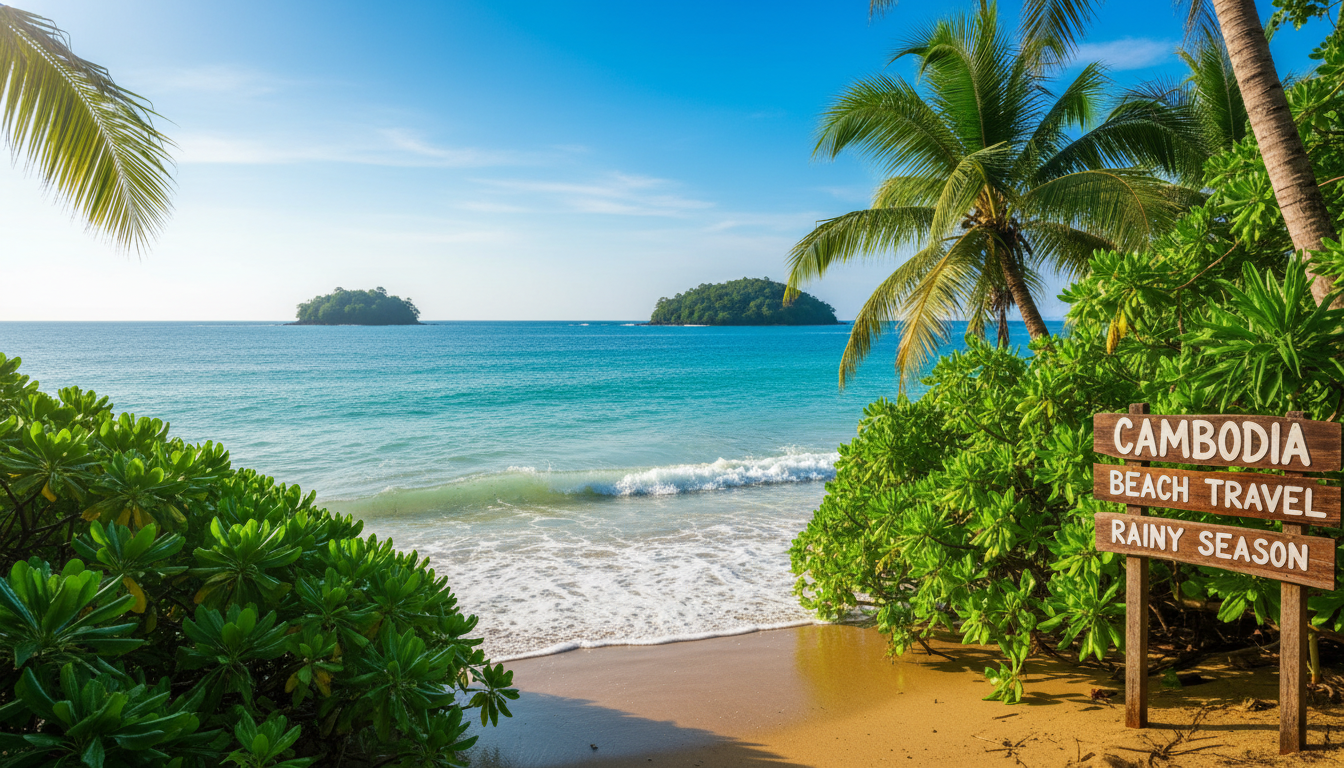
Contrary to popular belief, visiting Cambodia’s beaches during the rainy season (also known as the green season or monsoon season) can be surprisingly worthwhile. While you will encounter rain, it often comes in predictable, short bursts, leaving plenty of time for exploration and relaxation. You can expect lush landscapes, fewer crowds, and often better deals on accommodation and activities. This comprehensive guide will help you understand what to expect from Cambodia’s monsoon beaches, highlighting the pros and cons to help you decide if it’s the right adventure for you.
Unveiling Cambodia’s Green Season: What to Expect from Cambodia Beach Travel in Rainy Season
Cambodia’s climate, like much of Southeast Asia, is dominated by monsoons. These tropical wet and dry seasons create distinct periods for travel. Understanding this cycle is crucial for planning your trip.
When is the Rainy Season in Cambodia?
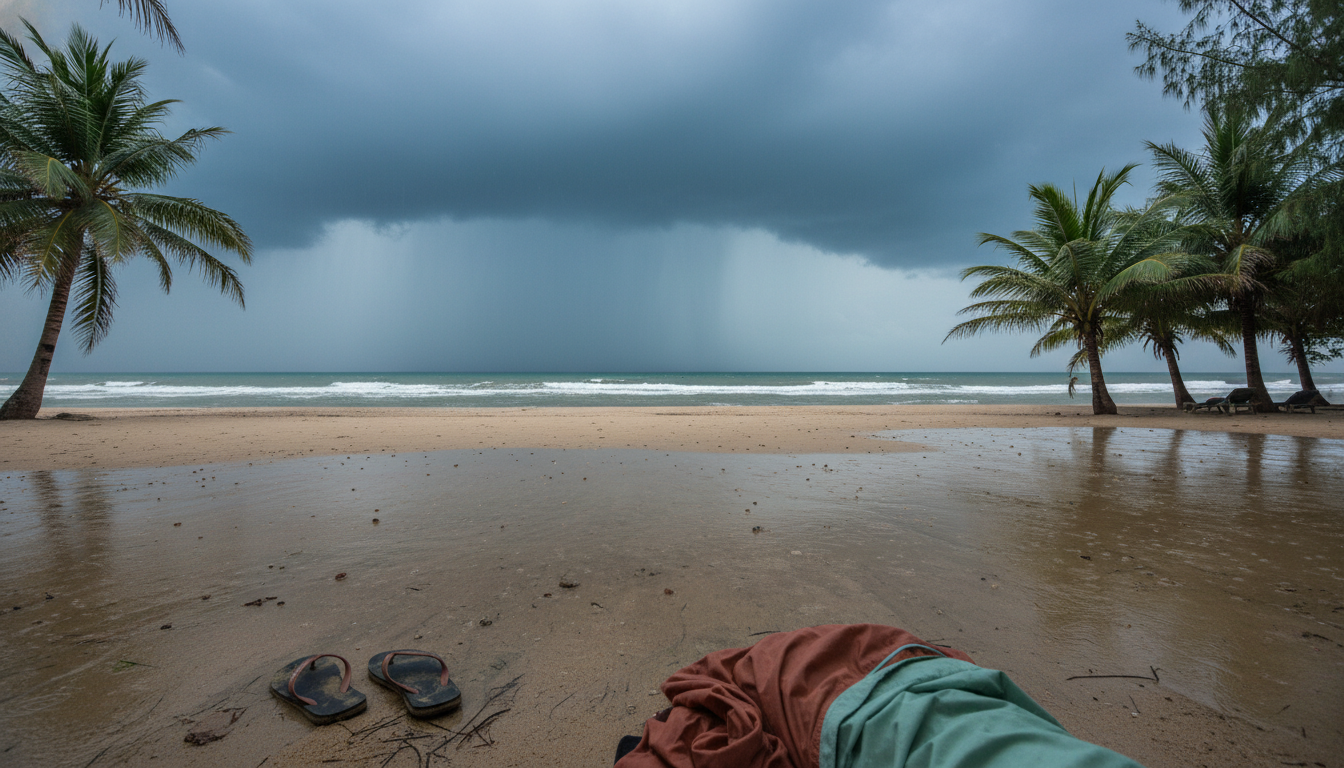
The rainy season in Cambodia typically runs from May to October, with some sources extending it to mid-November. This period brings almost 75% of the country’s annual rainfall. Showers during this time are often short, lasting less than an hour, and predictable. They usually occur in the afternoon, allowing for sunny mornings and evenings. This pattern means that while rain is frequent, it rarely ruins an entire day.
How Bad is the Rainy Season in Cambodia?
Many travelers worry about continuous downpours, but the reality is more nuanced. While the volume of rain is significant, the nature of the tropical showers often means intense but brief deluges. Coastal areas, particularly the southwest, tend to receive higher rainfall compared to inland regions. For example, Sihanoukville, a key coastal destination, experiences its rainiest month in August. This month sees an average rainfall of 471 mm (18.55 inches) over 23 rainy days. July also sees significant precipitation, with approximately 583 mm of rainfall over 20 rainy days. These figures might seem high, but remember that the rain often clears quickly.
What is Cambodia Rainy Season Like?
Beyond the rain, the wet season offers a unique atmosphere. Daytime temperatures during this period generally average between 25°C and 27°C, though they can range from 24°C to 32°C (75°F to 89°F). The early months of the wet season, from May to July, can remain quite hot, with temperatures around 30°C or more, accompanied by high humidity. This can feel quite sultry. However, the afternoon showers often bring a welcome cooling effect. The landscapes transform into vibrant, lush green scenery, a stark contrast to the dustier dry season. This makes for stunning photography and a refreshed environment.

The Allure of Low Season: Pros and Cons of Cambodia Beaches Rainy Season
Deciding whether to embrace Cambodia low season beach travel means weighing the benefits against the challenges. There are compelling reasons to consider a trip during this time.
The Bright Side: Pros of Cambodia Low Season Beach Travel
The Challenges: Cons of Cambodia Beaches Rainy Season
Despite the positives, there are also aspects of Cambodia beaches rainy season that require careful consideration.
Can You Go to the Beach in Cambodia During Rainy Season? Exploring Coastal Destinations
Absolutely! Visiting Cambodia’s beaches during the wet season is possible and can be highly enjoyable with the right mindset. The key is to choose your destinations wisely and embrace flexibility.
Koh Rong and Koh Rong Sanloem in the Wet Season
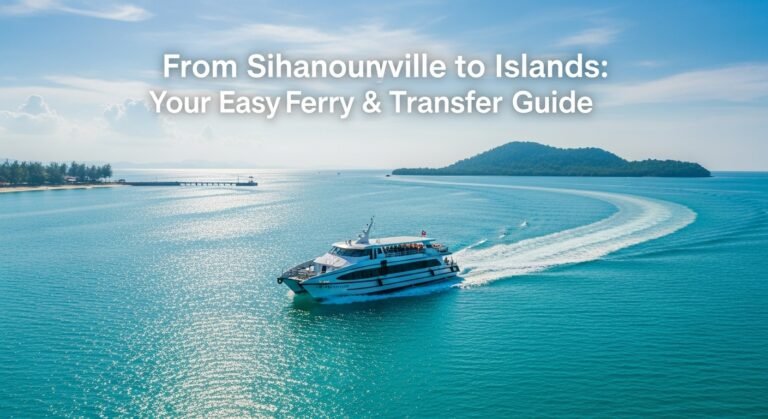
The islands of Koh Rong and Koh Rong Sanloem are popular destinations, even during the monsoon season. While ferry to Koh Rong in rainy season can be affected by rough seas, many reputable boat companies continue to operate. Travelers should check schedules and weather forecasts frequently. The islands retain their charm, offering peaceful retreats with fewer people. You can still enjoy swimming during clear spells. Many resorts offer covered areas for dining and relaxation. This makes for a great Koh Rong rainy season travel experience. During clear moments, the beauty of the island is truly spectacular. anchor text

Sihanoukville Rainy Season Beaches: A Different Vibe
Sihanoukville, once primarily a beach town, has evolved into a bustling city with a range of activities beyond its shores. Even with significant rainfall in months like July and August, Sihanoukville rainy season beaches can still be visited. The urban environment means more options for indoor activities such as cafes, restaurants, and markets. You can explore Pagoda Mountain or enjoy fresh seafood. Sihanoukville serves as a gateway to the islands, and its resilience to the wet weather makes it a practical base.
Kep: Charm Amidst the Rain
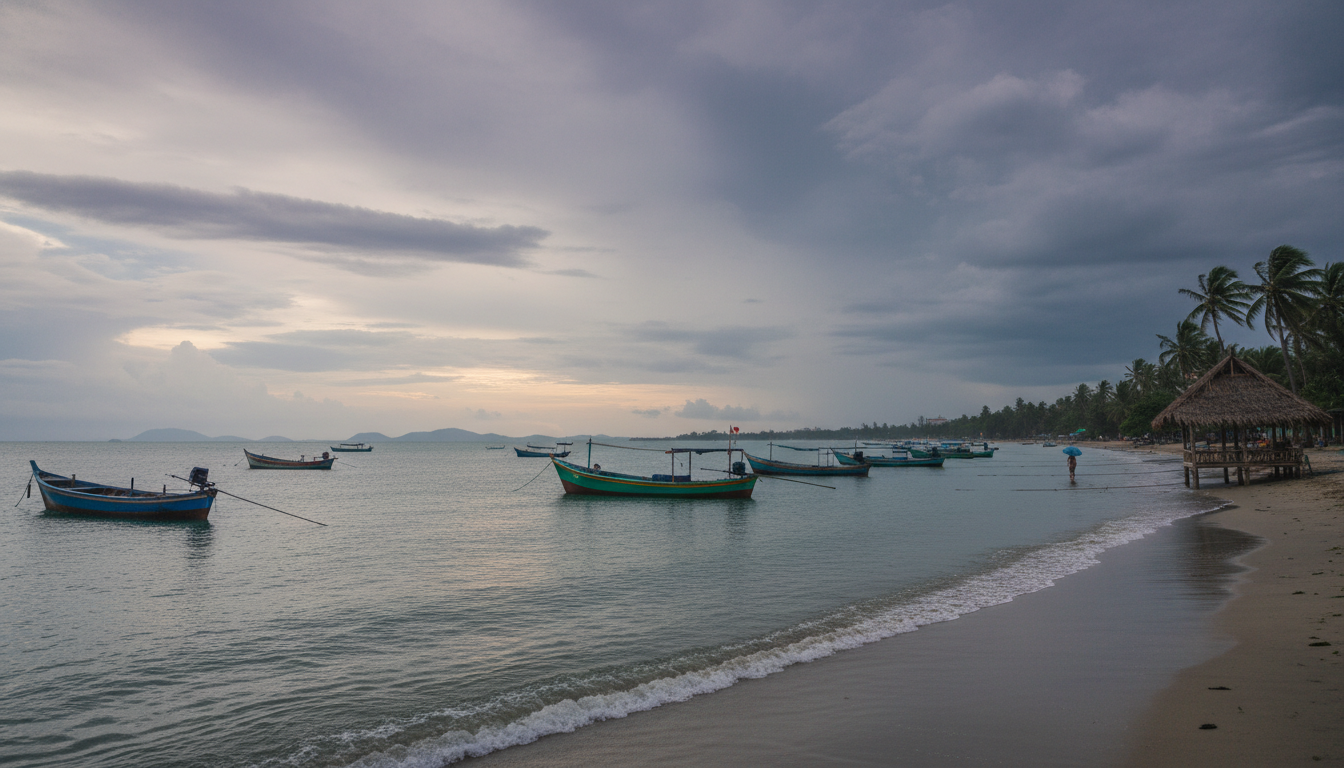
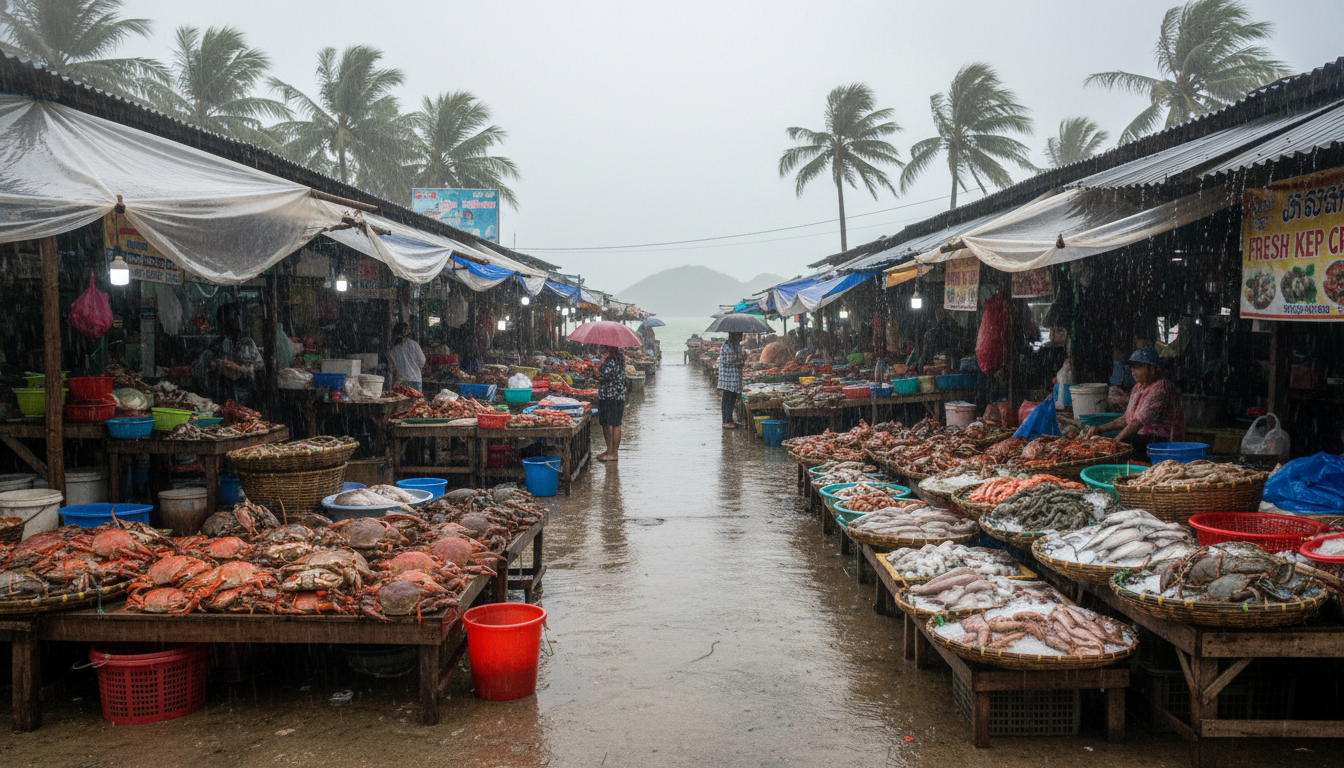
Kep, a charming coastal town known for its fresh crab, offers a tranquil experience even in the rain. Its famous Crab Market is a vibrant hub regardless of the weather. You can enjoy delicious seafood under cover. The nearby Kep National Park offers hiking trails that become incredibly lush and beautiful, although they can be muddy. A trip to Rabbit Island (Koh Tonsay) is often still possible, providing a peaceful escape. The relaxed pace of Kep makes it an ideal spot for Cambodia green season beaches travel.
Making the Most of Your Cambodia Beach Travel in Rainy Season: Tips and Tricks
A successful trip during the monsoon season requires a bit of preparation and a flexible attitude. Embrace the unexpected, and you will have a memorable adventure.
Packing Smart for the Monsoon
Knowing what to pack for Cambodia by season is crucial. Light, quick-drying clothing is essential. Think synthetic fabrics over heavy cotton. A waterproof jacket or poncho is a must-have. You will also need waterproof bags for electronics and important documents. Comfortable, waterproof sandals or shoes are far more practical than sneakers. Don’t forget insect repellent, as mosquitoes are more prevalent in the wet season. what to pack for Cambodia
Accommodation Cambodia Wet Season: Finding Your Perfect Stay
Many hotels and guesthouses offer attractive low-season rates. Look for accommodations with good reviews regarding maintenance and facilities during wet weather. A place with a cozy common area, reliable Wi-Fi, and perhaps a covered balcony can enhance your experience. Booking in advance is generally less critical during this period, offering more flexibility.
Navigating Transport: Ferry to Koh Rong in Rainy Season and Road Conditions
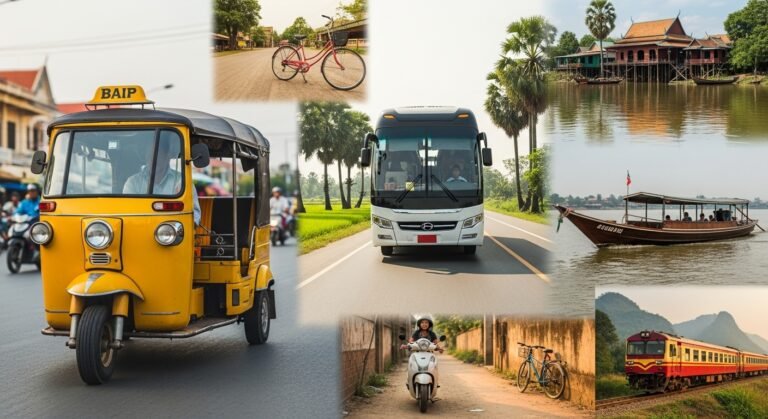
When planning your journey, especially for islands like Koh Rong, always check the weather and ferry schedules on the day of travel. Be prepared for potential delays or cancellations if seas are too rough. On the mainland, road conditions can vary. Main highways are usually fine, but rural roads, particularly those that are unpaved, may become muddy and slower to traverse. Consider hiring a private driver for longer distances for comfort and reliability. Always allow extra travel time, just in case.
Embracing the “Green Season” Mindset
The key to enjoying Cambodia beach weather June or Cambodia beach weather August is adopting a flexible attitude. Embrace the spontaneity. Enjoy the dramatic skies, the fewer crowds, and the lush scenery. Rainy days can be perfect for relaxing with a book, getting a massage, or trying a cooking class. The tropical downpours are often refreshing, and the air feels cleaner afterward.
Beyond the Beaches: Complementary Experiences in the Green Season
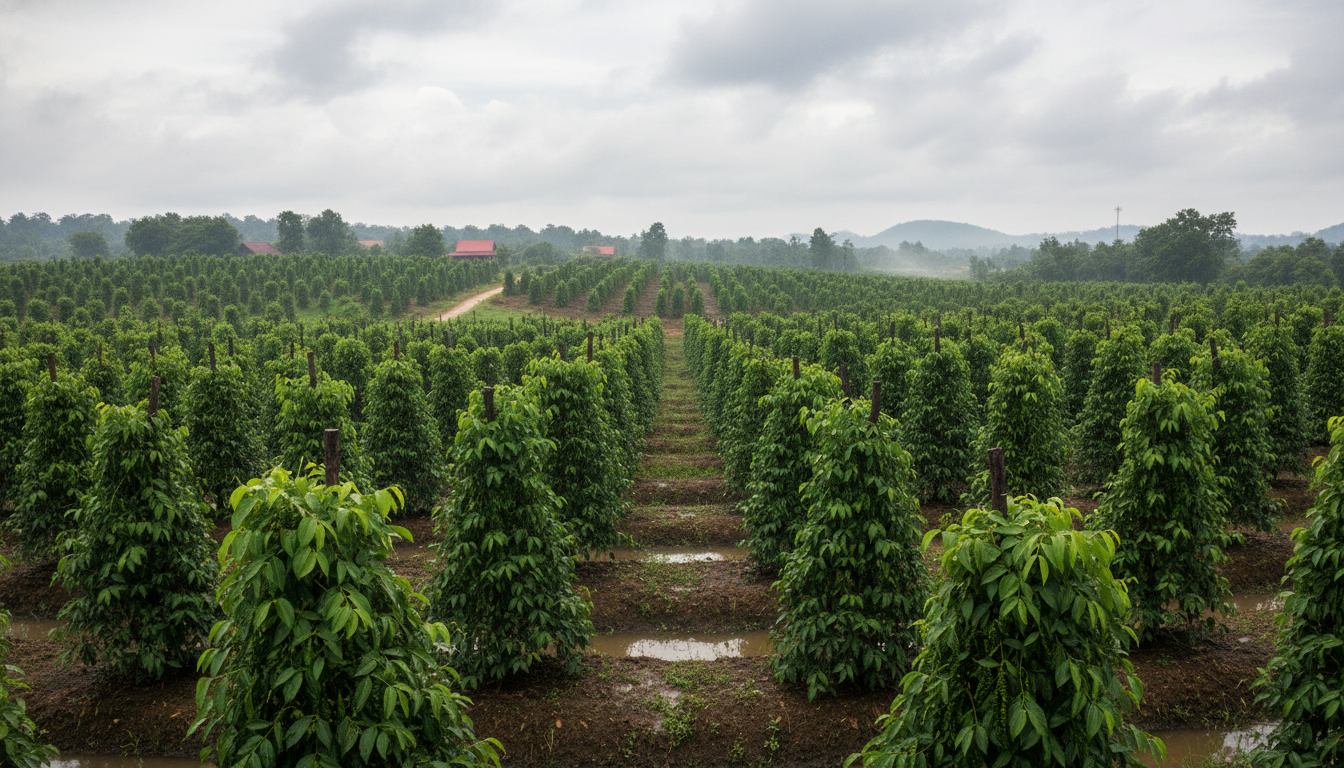
While our focus is on Cambodia Beach Travel Rainy Season, the coastal region offers more than just sand and sea. Kampot, a short drive from Kep and Sihanoukville, is famous for its pepper plantations. These are incredibly verdant during the wet season and make for fascinating tours. The Bokor National Park, with its old French hill station, can be mystical with mist and clouds. These inland excursions provide excellent alternatives or additions to beach days. Exploring these areas further diversifies your trip.
When is the Best Time to Visit Cambodia Beaches? (Contextualizing Rainy Season)
The dry season, from November to April, is traditionally considered the best time to visit Cambodia beaches for consistently sunny weather and calm seas. However, this is also when tourist numbers are at their peak. For a detailed guide on weather, crowds, and festivals throughout the year, refer to our comprehensive article: best time to travel Cambodia. The rainy season, while challenging at times, offers a distinctly different, often more authentic, and budget-friendly experience. It truly depends on your priorities as a traveler.
Ultimately, if you prioritize lush landscapes, fewer crowds, and a more serene atmosphere, Cambodia Beach Travel Rainy Season is absolutely worth considering. With proper planning and a flexible mindset, you can discover a beautiful and unique side of Cambodia’s stunning coastline. Embrace the occasional downpour as part of the adventure. You will find that the ‘green season’ offers a truly memorable journey, filled with vibrant scenery and genuine tranquility.
Key Takeaways
- Cambodia’s rainy season (May-October/November) features frequent, short, and predictable afternoon showers.
- Expect fewer crowds, lower prices, and incredibly lush, vibrant landscapes during the green season.
- Challenges include rougher seas, potential ferry delays, and muddy rural roads.
- Coastal destinations like Koh Rong, Koh Rong Sanloem, Sihanoukville, and Kep are still accessible and enjoyable with careful planning.
- Packing smart (waterproofs, quick-drying clothes) and having a flexible attitude are key to a successful rainy season beach trip.