Phnom Penh Foodie Guide: Top Khmer Dishes
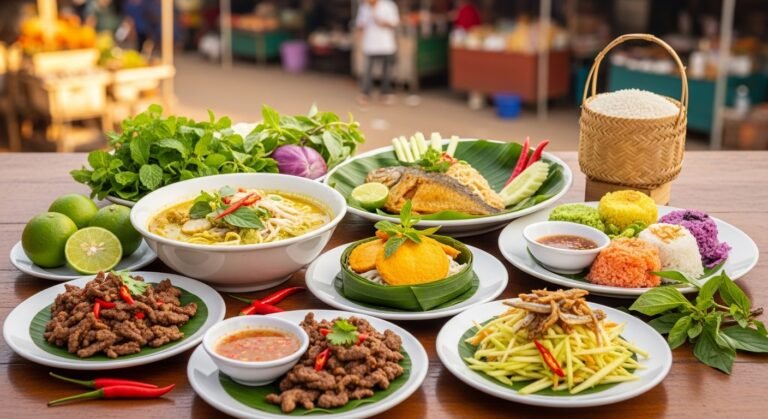
Phnom Penh, the vibrant capital of Cambodia, is swiftly emerging as a culinary hotspot in Southeast Asia. This dynamic city offers an incredible gastronomic journey, rich with authentic Khmer flavors and diverse dining experiences. In fact, the Cambodia food service market reached a remarkable USD 2.91 billion in 2025 and is projected to grow to USD 4.52 billion by 2030, showing a strong compound annual growth rate (CAGR) of 9.20%. Such growth highlights a booming interest in Cambodian cuisine. Furthermore, Cambodia welcomed approximately 6.7 million international visitors in 2024, a significant 22.9% increase from the previous year, boosting demand for diverse dining options. This Phnom Penh Foodie Guide aims to unveil the city’s must-try dishes, guiding you through bustling markets and beloved local eateries. You will discover the heart of authentic Khmer food, ensuring a memorable culinary adventure.
Discovering the Heart of Khmer Cuisine in Phnom Penh
Phnom Penh is famous for its rich and aromatic Khmer cuisine. This culinary tradition boasts a unique balance of sweet, sour, salty, and bitter flavors. Cambodian cuisine has incorporated elements from Indian, Chinese, French, and Portuguese influences over centuries. Yet, it maintains its distinct identity, emphasizing fresh spices and herbs over heavy powders. Rice and freshwater fish are fundamental to the Cambodian diet. It is estimated that 40–50% of Cambodian dishes feature fish. When exploring where to eat in Phnom Penh, you will find a vast array of choices. Full-service restaurants held a significant 54.21% of the Cambodia food service market share in 2024. Notably, independent outlets controlled 76.29% of the market value that same year, showcasing the power of local establishments. These local spots often serve the most authentic Khmer food Phnom Penh has to offer.
Cambodia’s National Treasure: Fish Amok (Amok Trey)
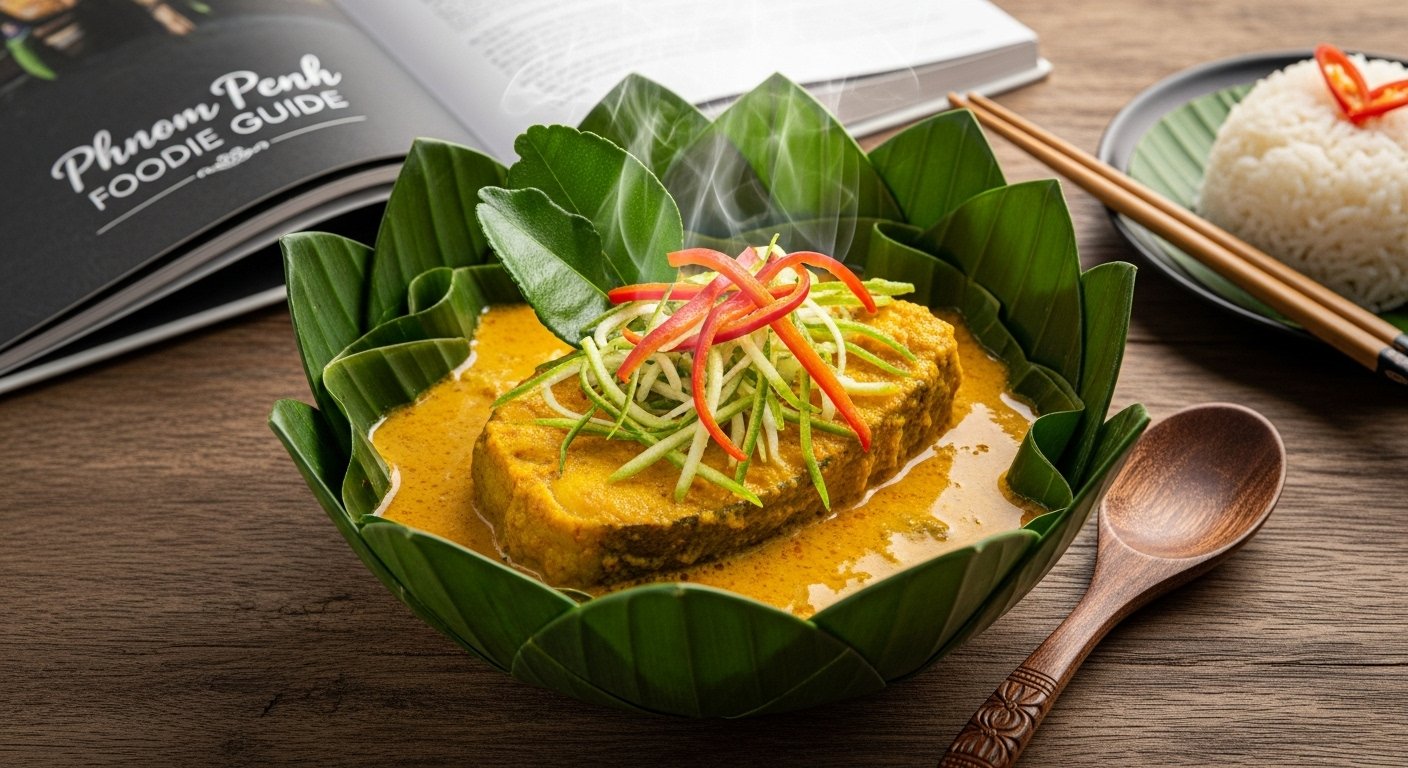
What is the national dish of Cambodia? Without a doubt, it is Fish Amok, also known as Amok Trey. This iconic dish truly represents the pinnacle of Cambodian culinary art. Fish Amok is a fragrant, steamed fish curry known for its delicate texture and rich flavors. Traditionally, it is prepared with fresh fish fillets, often snakehead fish, simmered in a rich, coconut-milk-based curry paste called *kroeung*. This essential Khmer spice paste combines lemongrass, galangal, turmeric, and kaffir lime. Served typically in a banana leaf bowl, the dish boasts a silky smooth consistency with a subtle, non-spicy warmth. It’s a comforting and incredibly flavorful experience that every visitor should try.
Iconic Dishes You Must Try
Phnom Penh’s food scene extends far beyond its national dish. There are countless other delicious meals awaiting your discovery. Each offers a unique glimpse into the country’s culinary soul.
Lok Lak: The Beloved Beef Stir-Fry
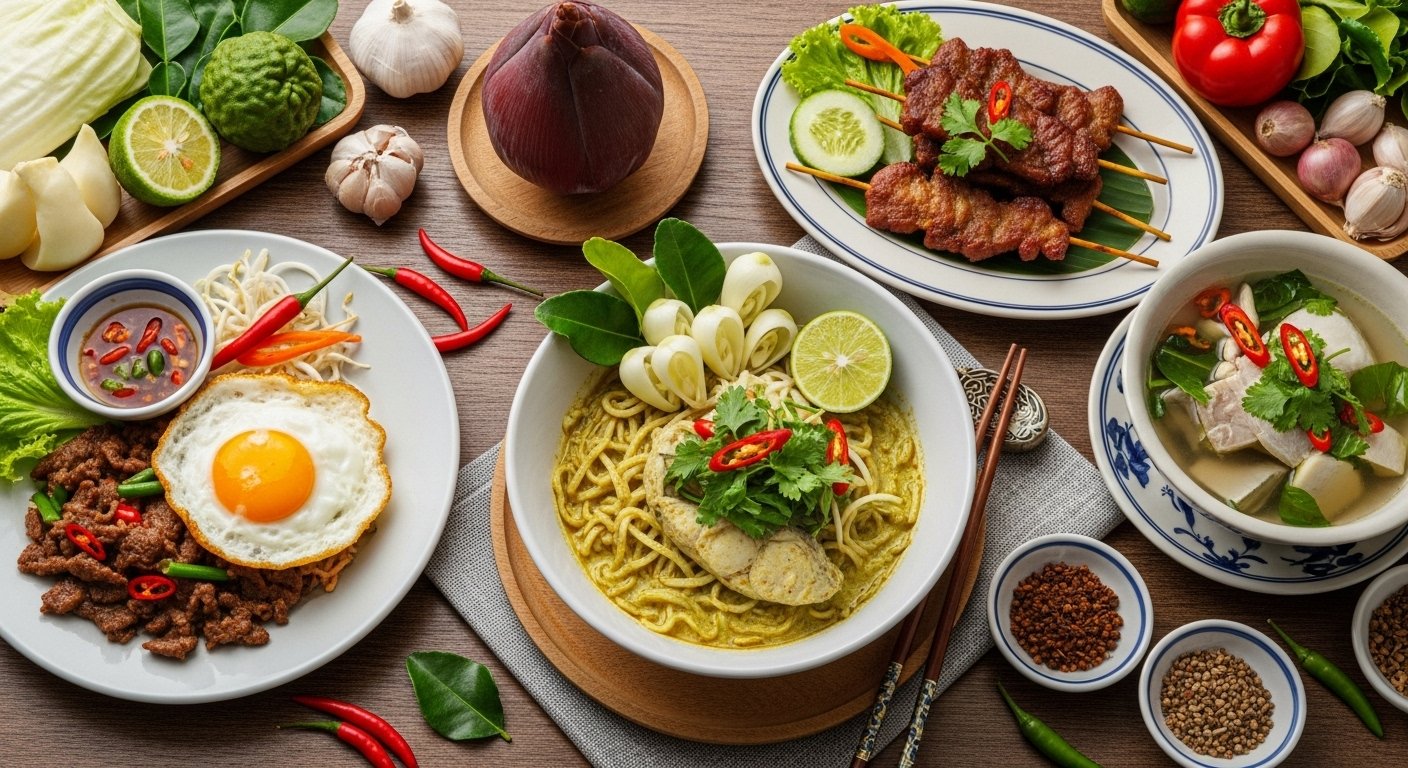
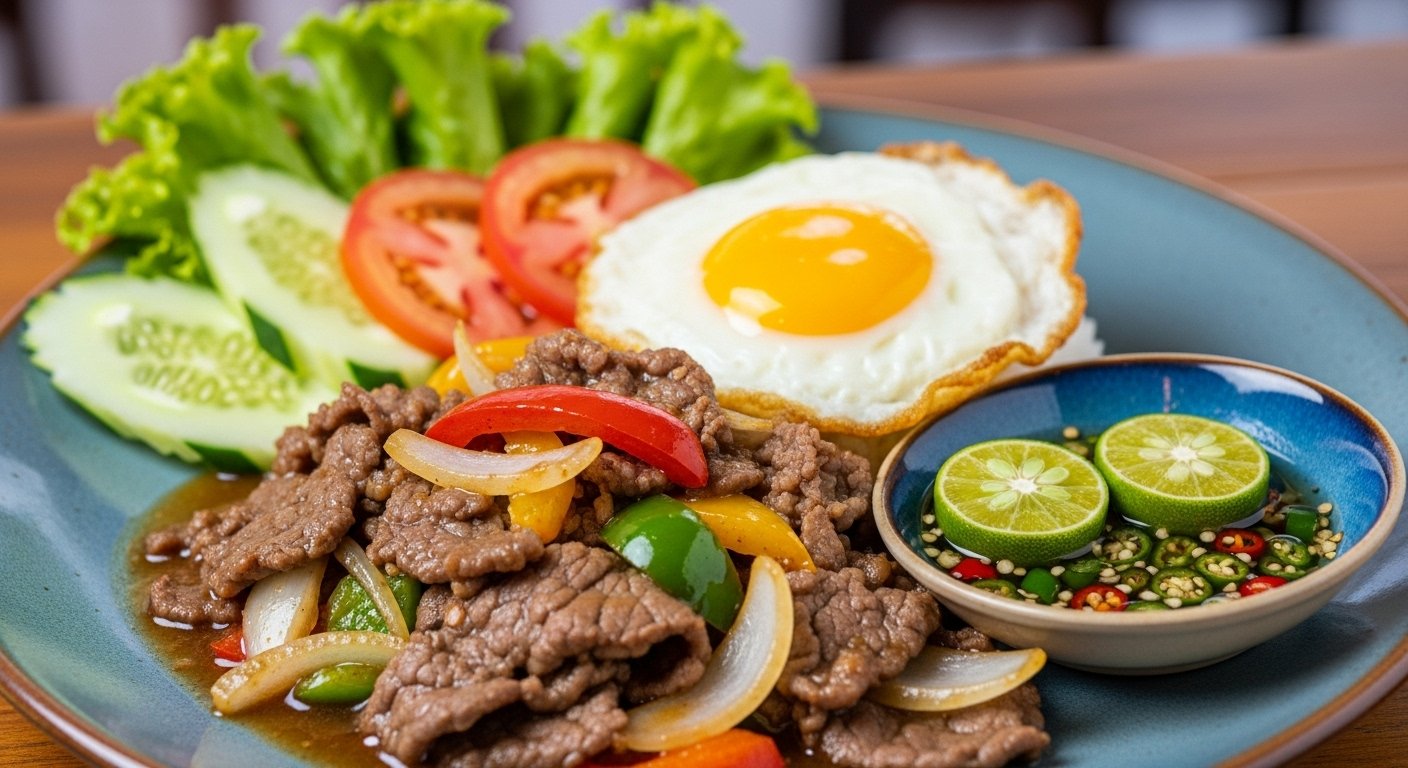
Lok Lak is a hugely popular dish featuring tender, marinated beef. Chefs quickly stir-fry the beef, often served atop a bed of crisp lettuce, tomatoes, and cucumber. A crucial component is the dipping sauce: a zesty mix of lime juice, salt, and black Kampot pepper. This combination creates a perfect balance of savory and tangy flavors. Many consider Lok Lak a must-try for meat lovers.
Nom Banh Chok: The Essential Khmer Noodle Breakfast
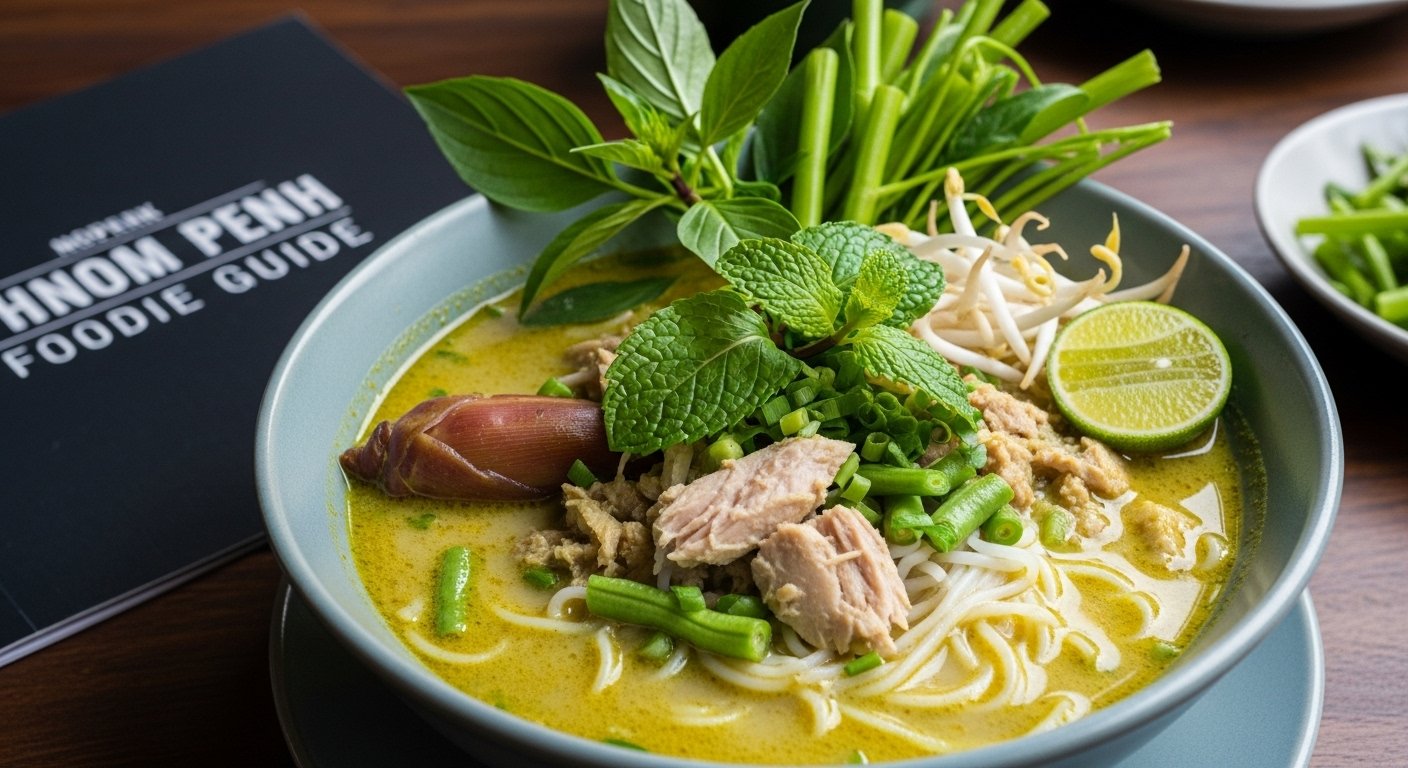
What is a typical Cambodian breakfast? Many locals will tell you it’s Nom Banh Chok. This beloved dish consists of fresh, thin rice noodles. These noodles are swimming in a vibrant green, fish-based curry gravy made from lemongrass, turmeric, and various herbs. It often comes with a generous pile of fresh vegetables, including mint, banana blossom, and long beans. You can customize your bowl with additional chilis and condiments. It’s a light, refreshing, and incredibly flavorful way to start your day. You can find excellent Nom Banh Chok at many Central Market food stalls. Exploring Cambodia’s markets is a fantastic way to find such authentic local delights. You can learn more about these vibrant hubs here: 6 Markets to Explore in Cambodia.
Bai Sach Chrouk: Pork and Rice Perfection
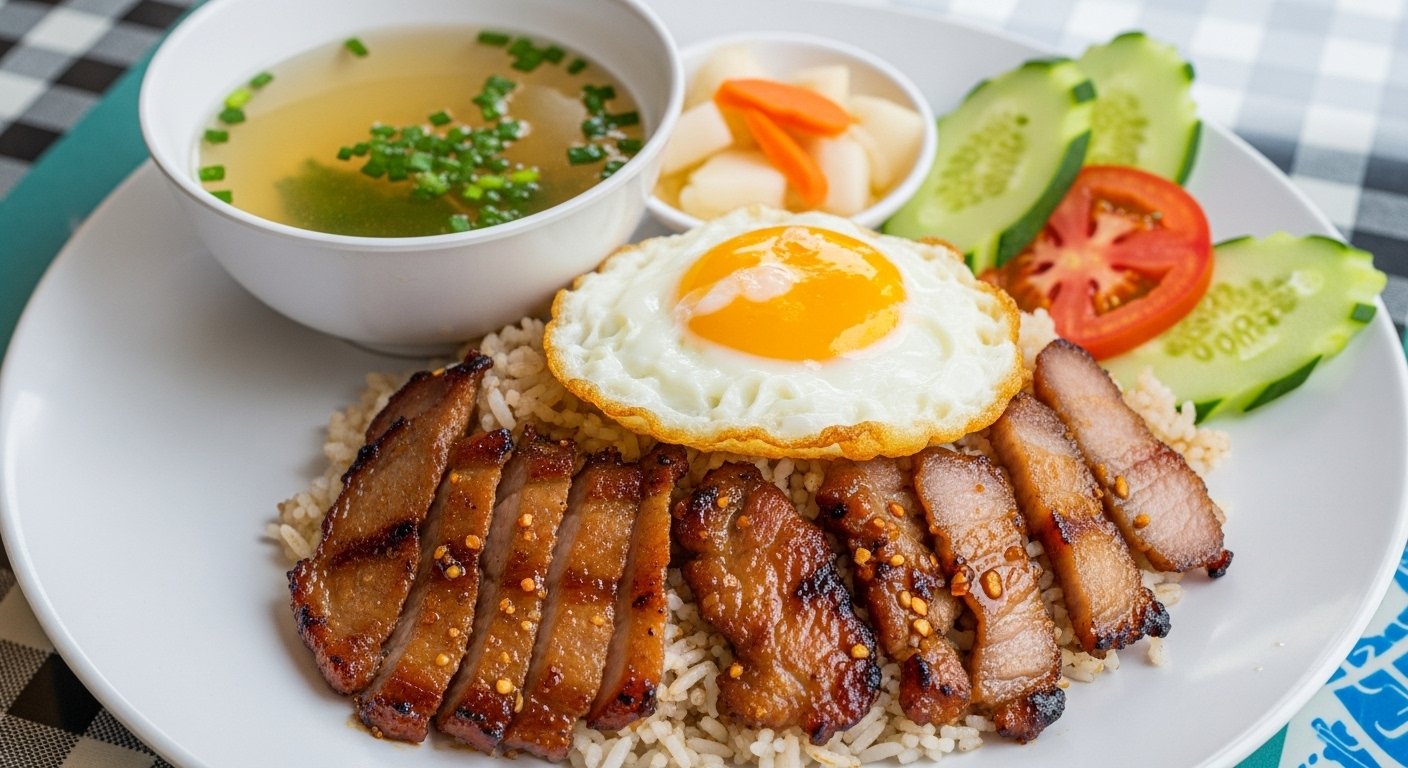
Another breakfast staple, Bai Sach Chrouk, is deceptively simple yet utterly delicious. This dish features thinly sliced pork, marinated in coconut milk or garlic, then grilled to smoky perfection. It is served over a bed of broken rice, often accompanied by a small bowl of clear chicken broth and pickled cucumbers. The tender pork and fragrant rice make for a satisfying and hearty meal. It is perfect any time of day.
Kuy Teav: A Soul-Warming Noodle Soup
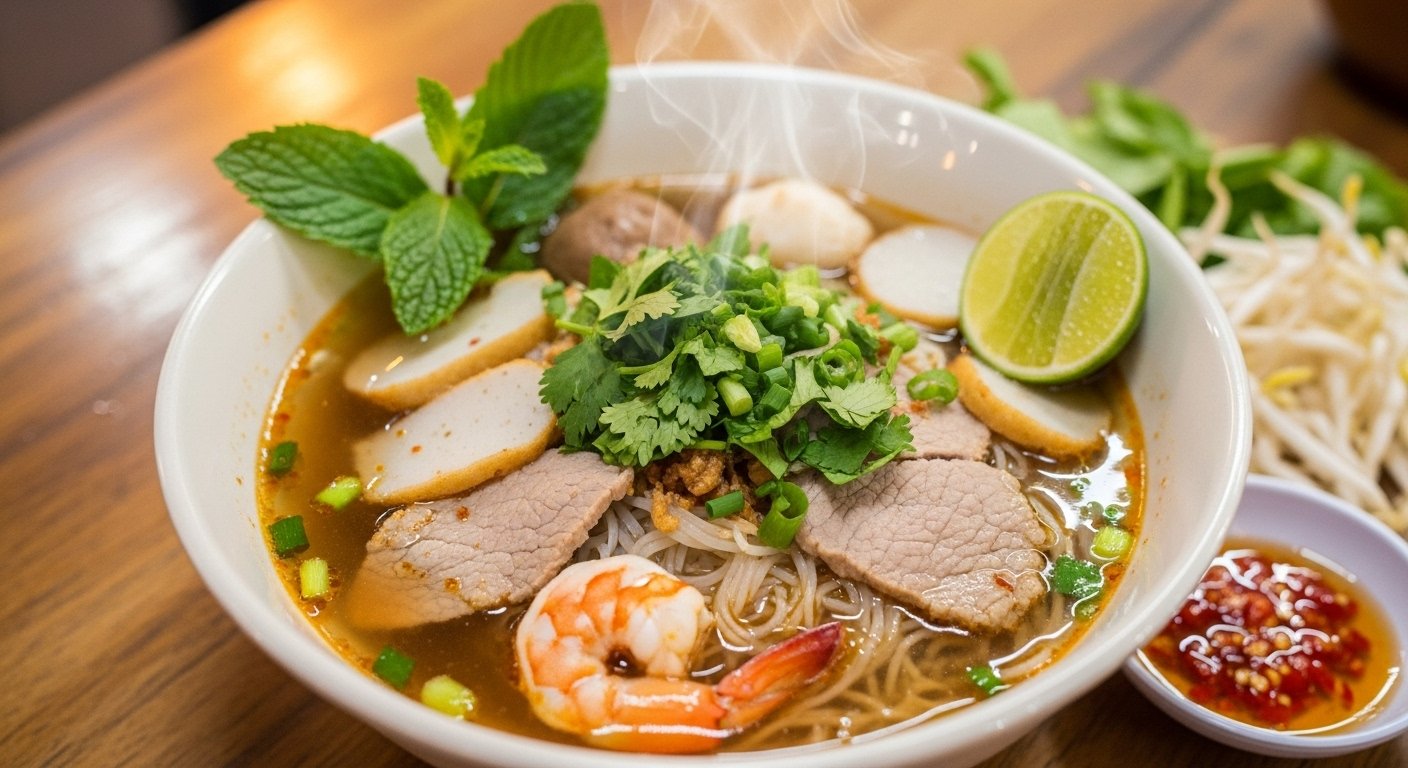
Kuy Teav is a versatile and comforting noodle soup enjoyed throughout the day. It typically features a rich pork or beef broth, rice vermicelli noodles, and various toppings. Common additions include sliced pork, beef balls, shrimp, and fresh herbs. A crucial element is the accompanying plate of fresh bean sprouts, lime, and chili for personalization. Each spoonful brings warmth and complex flavors, making it a true comfort food.
Lort Cha: Stir-fried Short Noodles
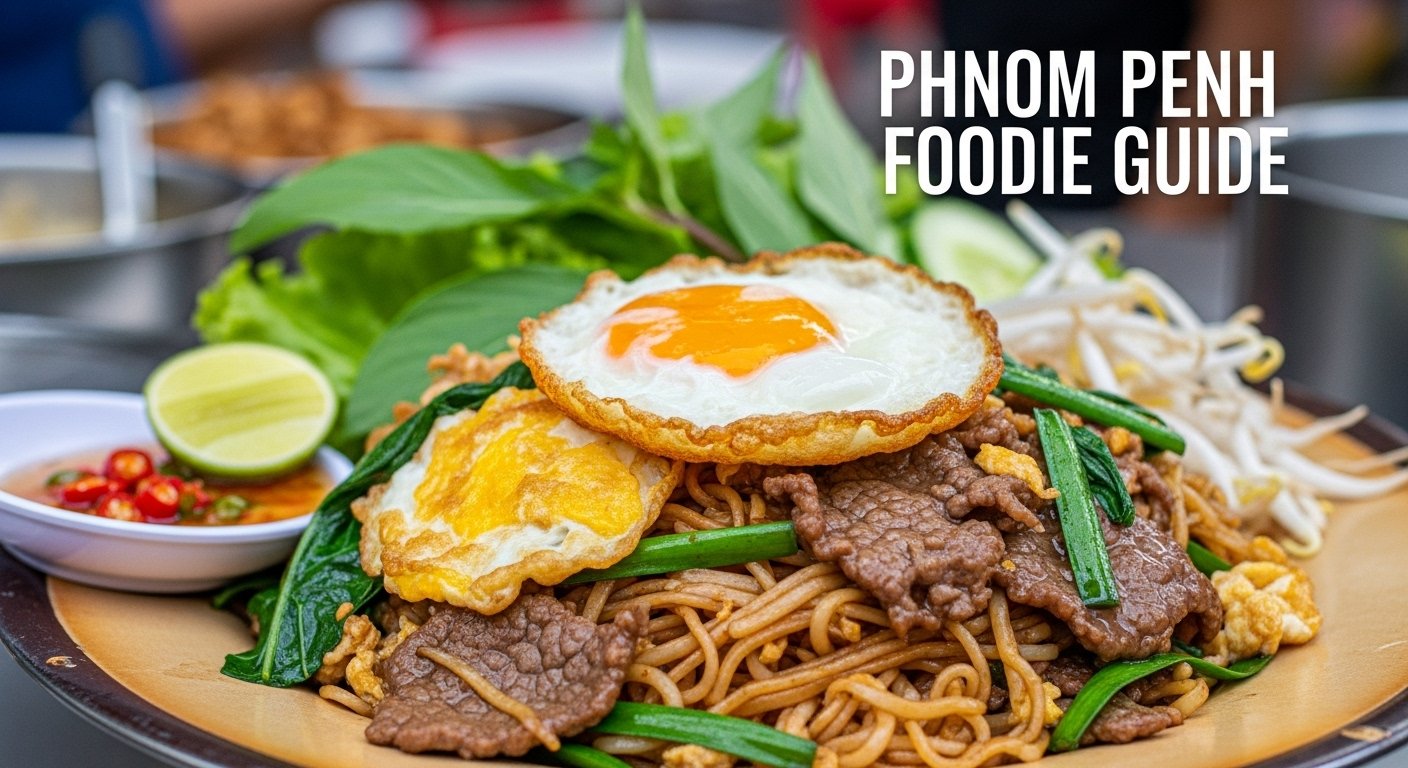
Lort Cha is a popular street food dish, especially known for its quick preparation and hearty nature. This stir-fry consists of short, thick rice noodles, often mixed with tender slices of beef, crisp bean sprouts, and scallions. It is typically topped with a fried egg and a generous drizzle of chili sauce. The textural contrast between the soft noodles and crunchy sprouts makes it a satisfying and flavorful meal. This dish is a favorite among locals.
Exploring Phnom Penh Street Food and Markets
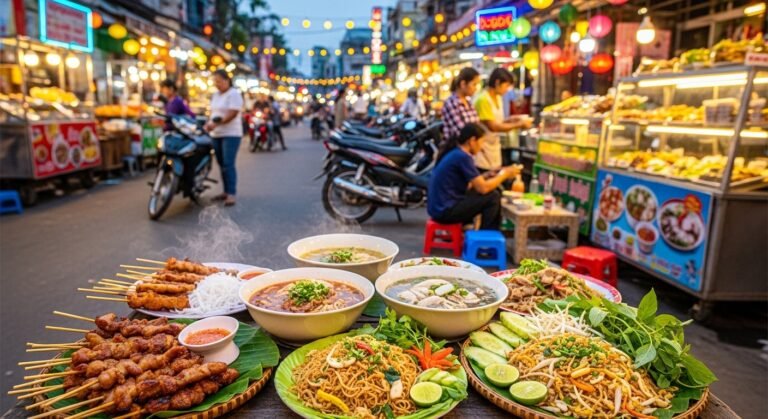
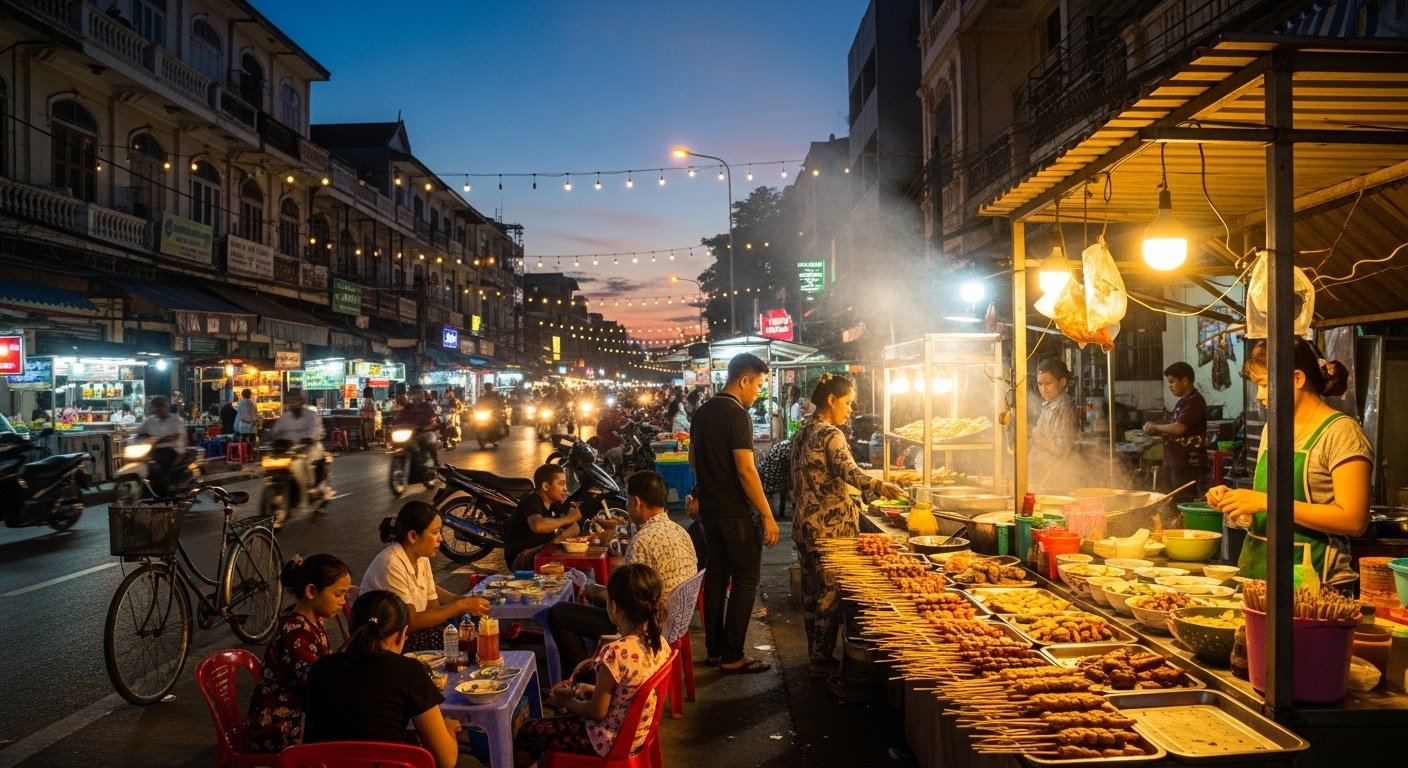
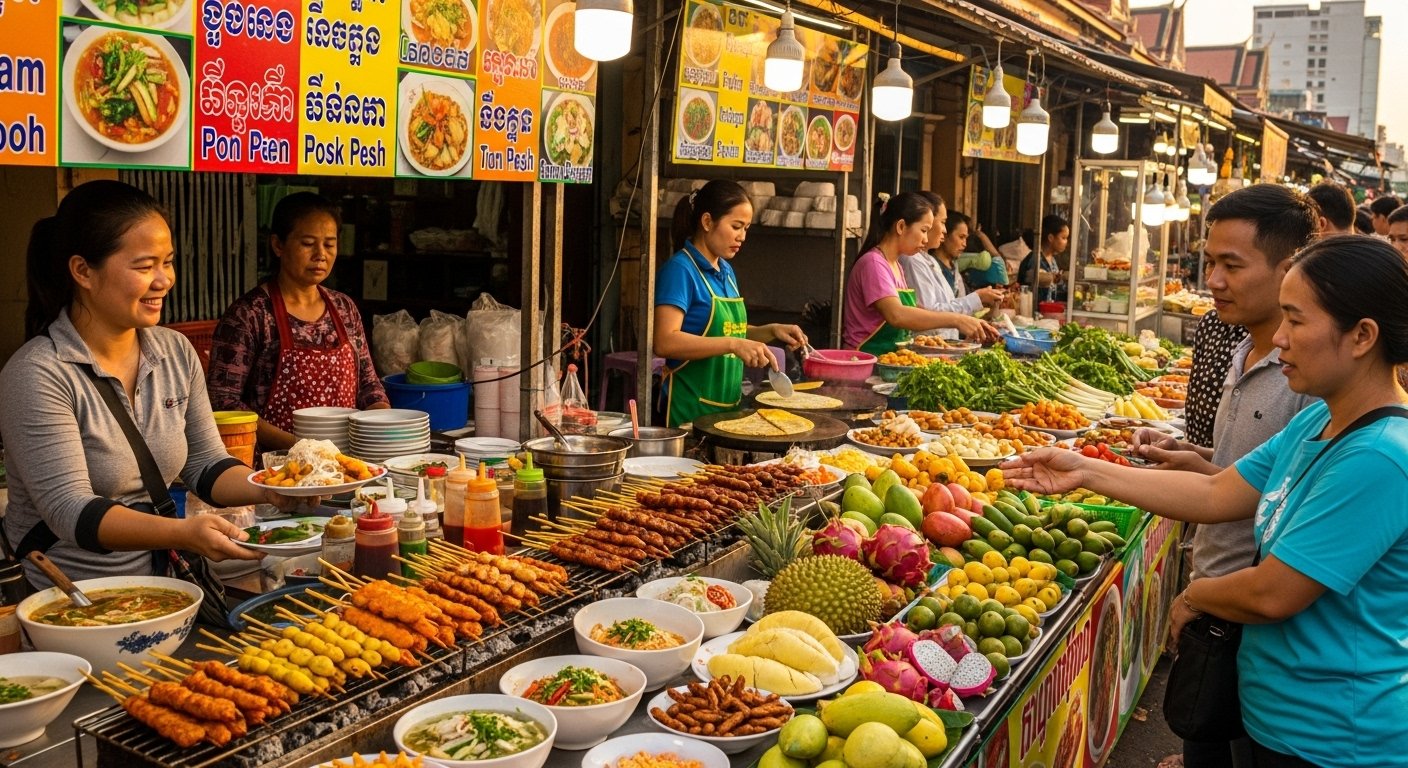
The true essence of a Phnom Penh Foodie Guide lies in its vibrant street food scene and bustling food markets. The aroma of grilling meats and simmering curries fills the air. Here, you can immerse yourself in the local culinary culture. Phnom Penh street food is incredibly diverse, offering everything from savory snacks to full meals. Destinations like the Central Market food stalls and Orussey Market are essential stops. They provide a sensory overload of sights, sounds, and tastes. You will find vendors selling a wide range of delights.
Beyond the well-known dishes, look for other exciting treats. Num Pang, Cambodia’s take on the baguette sandwich, is often filled with pâté, various meats, and pickled vegetables. Sach Ko Ang Jakok features skewers of marinated beef, grilled over charcoal. For a sweet treat, try Kralan, sticky rice mixed with coconut milk and beans, cooked in bamboo poles. The convenience of these culinary delights extends to modern services too. The Cambodian food delivery market was valued at $2.51 million in 2025. This market is projected to expand at a Compound Annual Growth Rate (CAGR) of 13.57% from 2025 to 2033. Phnom Penh, being the largest market, accounts for an estimated 60% of the overall food delivery market. You can discover more local foods to try throughout Cambodia here: Travel Cambodia: 10 Must-Try Local Foods.
Navigating Your Food Journey: Tips for the Phnom Penh Foodie Guide
Embracing the local cuisine is a highlight of any trip to Phnom Penh. Knowing how to navigate the dining scene will enhance your experience significantly.
Where to Find the Best Restaurants in Phnom Penh
Phnom Penh offers a spectrum of dining experiences, catering to all preferences. For an authentic experience, seek out local eateries and street stalls, especially in areas around Russian Market and along the riverside. Many of the best restaurants in Phnom Penh are not necessarily high-end; instead, they are often family-run establishments renowned for their generational recipes. These places serve delicious and affordable meals. Additionally, culinary tours can be an excellent way to discover hidden gems and learn about the local food culture from an expert. According to a June 2024 survey by the Cambodia Restaurant Association (CRA), Phnom Penh accounted for 82% of the restaurants surveyed across the country. While 52% of restaurants served Western cuisine, 29% served Asian food, and 14% served fusion, 8.5% specifically served Khmer cuisine, indicating dedicated spots for traditional flavors.
Food Safety: What to Keep in Mind
When exploring the diverse culinary landscape, travelers often ask, “What should I not eat in Cambodia?” The key is not necessarily about specific foods to avoid, but rather about practicing smart food safety. Ensure that food is cooked thoroughly and served hot. Opt for bottled water and avoid ice unless you are certain it is made from purified water. Choose busy stalls and restaurants, as high turnover usually means fresher ingredients. Cambodia has a robust legal framework for food safety. The Law on Food Safety was promulgated on June 8, 2022. This law sets out mechanisms for managing and ensuring the safety, quality, and hygiene of food at all stages of the production chain. This commitment protects consumers and ensures fair food trade. By following these simple guidelines, you can savor the delights of Phnom Penh with confidence. Consider exploring the grandeur of the Royal Palace during your visit; it’s another essential part of the Phnom Penh experience: Phnom Penh Royal Palace Secrets Revealed.
Key Takeaways
- Phnom Penh’s food scene is rapidly growing, fueled by increasing tourism and local market expansion.
- Fish Amok (Amok Trey) is Cambodia’s national dish, a must-try steamed fish curry.
- Explore iconic dishes like Lok Lak, Nom Banh Chok, Bai Sach Chrouk, Kuy Teav, and Lort Cha for a full Khmer experience.
- Venture into food markets like Central Market and Orussey Market for authentic street food and local snacks.
- Prioritize food safety by choosing hot, freshly cooked meals and reputable vendors.
- The Cambodian government is actively enforcing food safety regulations to protect consumers.
Conclusion
Phnom Penh’s culinary landscape is a captivating blend of tradition and vibrancy, offering an unforgettable journey for any foodie. From the creamy depths of Fish Amok to the refreshing simplicity of Nom Banh Chok, each dish tells a story of Cambodia’s rich heritage and ingenious flavors. Embrace the adventure, step out of your comfort zone, and allow your taste buds to explore the authentic tastes that make the Phnom Penh Foodie Guide truly exceptional. Your unforgettable culinary experience awaits in this remarkable city!